I’ve studied women’s history for years and one thing keeps hitting me: we talk about empowerment like it just appeared yesterday.
It didn’t.
Women have been fighting for basic rights for centuries. They’ve been organizing, speaking up, and pushing back long before anyone gave it a trendy name.
But here’s the problem. When you hear “female empowerment” today, you’re getting it without the full story. You’re missing the context of what women actually went through to get here.
This article traces that path. From the early struggles for things we take for granted now to the global movements reshaping society today.
I’m not giving you a sanitized version. I’m showing you the real actions and ideas that changed everything. The moments that shifted how women exist in the world.
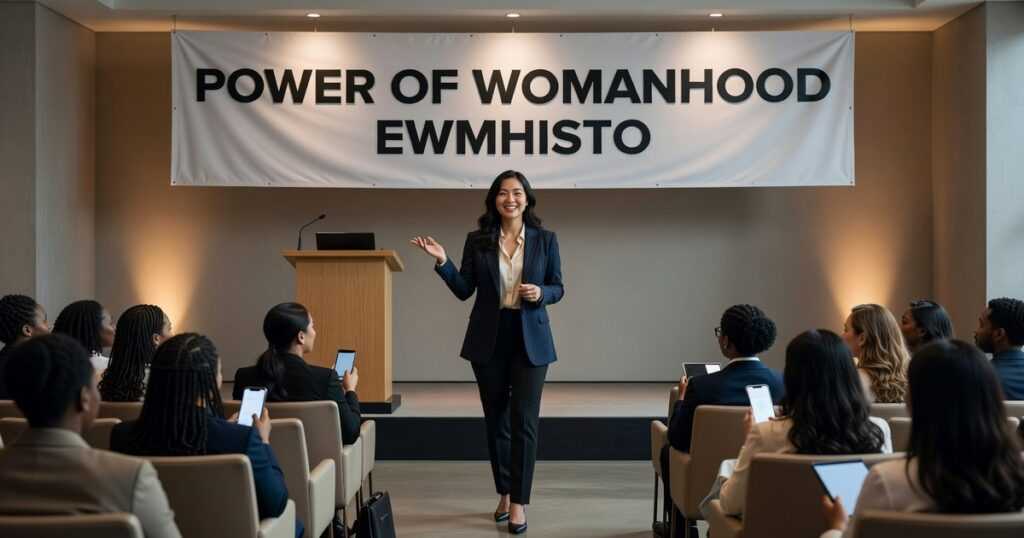
At power of womanhood ewmhisto, we research these stories carefully. We dig into the movements that mattered and the women who made them happen.
You’ll see how empowerment was defined in different eras. How women fought for it. What they won and what they’re still fighting for.
This isn’t just history. It’s the foundation for understanding what’s happening right now.
Defining Empowerment Beyond a Modern Lens
We need to talk about something that drives me crazy.
When people discuss women’s empowerment, they judge history through today’s lens. They look back at the 1700s and say women had NO power. Period. End of story.
That’s just not true.
Here’s my take. Empowerment in the 18th century looked completely different than it does now. A woman learning to read? That WAS empowerment. Owning property in her own name? Revolutionary.
We can’t measure historical progress by 2024 standards.
Think about it this way. There’s a difference between having overt political power and having agency. Agency means you can act independently and make choices within the constraints of your time (and yes, those constraints were REAL and often brutal).
But agency existed.
Women found ways to push boundaries long before suffrage. They organized in abolitionist movements. They fought for labor rights. They created networks of support that challenged the status quo.
Were they voting? No. Were they running for office? Rarely.
But they were acting. They were choosing. They were building the foundation for everything that came after.
I see this pattern throughout ewmhisto. Women working within impossible systems and still finding ways to move forward. That’s the power of womanhood ewmhisto captures in these stories. Through the lens of ewmhisto, we witness the resilience and tenacity of women as they navigate and challenge the constraints of seemingly insurmountable systems, embodying a powerful narrative of progress and empowerment. Through the powerful narratives woven into ewmhisto, we gain a profound understanding of how women, despite facing insurmountable obstacles, continue to rise and redefine their stories of strength and resilience.
The early seeds of collective action didn’t start with marches or legislation. They started in parlors and churches and factories where women realized they could do something together.
That matters.
The First Wave: The Fight for a Voice and a Vote
You’ve probably heard about the suffragettes.
Women chaining themselves to railings. Hunger strikes. The fight for the vote.
But here’s what most people don’t know. The ballot box was just the beginning.
I want to take you back to 1848. The Seneca Falls Convention in New York brought together women who were tired of being treated like property. Elizabeth Cady Stanton and Lucretia Mott stood up and said what seemed impossible at the time: women deserved the same rights as men.
Some historians argue that the suffrage movement was too focused on middle-class white women. They say it left behind women of color and working-class women. And they’re right to point that out. The movement had serious blind spots.
But here’s what I think they miss.
Without that first legal foothold, none of the progress that came later would have been possible. You have to start somewhere.
Across the pond, the Suffragettes in the UK were taking things even further. Emmeline Pankhurst and her daughters weren’t asking politely anymore. They were demanding change and willing to go to prison for it.
The vote finally came in 1920 in the US with the 19th Amendment. British women got partial suffrage in 1918.
Now here’s where it gets interesting. These women weren’t just fighting for a ballot. They wanted access to universities (most colleges wouldn’t admit women). They wanted to own property in their own names. They wanted to sign contracts without a husband’s permission.
Think about that for a second. A married woman couldn’t legally own anything. Her wages belonged to her husband. She had no legal identity separate from him.
The power of womanhood ewmhisto started with these legal battles. Once women could vote and own property, they could participate in public life. They could start businesses. They could make decisions about their own futures.
That’s the real impact of the first wave. It gave women the legal tools to build everything that came after.
The Second Wave: The Personal Becomes Political
Something changed in the 1960s.
Women had the vote. They could own property. On paper, they had rights.
But they were still stuck.
Stuck in jobs that paid less than men. Stuck in marriages where they couldn’t even get a credit card without their husband’s signature. Stuck pretending that vacuuming in heels was somehow fulfilling.
The first wave got us legal rights. The second wave asked a bigger question: what good are rights if society won’t let you use them?
When Private Problems Became Public Issues
Betty Friedan called it “the problem that has no name” in The Feminine Mystique. Thousands of women read that book and realized they weren’t crazy or ungrateful. They were trapped in a system that told them to smile about it.
That’s where consciousness-raising groups came in. Women sat in living rooms and talked about their lives. Their struggles with husbands who expected dinner on the table. Bosses who paid them half what male coworkers made. Doctors who dismissed their concerns. In the spirit of those intimate gatherings where women shared their struggles and sought support, the Ewmhisto Sisterhood Empowerment by Emergewomanmagazine continues to foster a community that champions the voices and experiences of women everywhere, igniting a powerful movement for change. In the spirit of those intimate gatherings, the Ewmhisto Sisterhood Empowerment by Emergewomanmagazine serves as a modern echo of the past, fostering a community where women can share their journeys and reclaim their narratives amidst a landscape still rife with disparities.
They discovered something powerful. Their personal problems weren’t personal at all.
Some critics say these groups were just complaint sessions. That women should’ve been grateful for what they had instead of demanding more.
But here’s what that misses. You can’t fix a problem you don’t name. And you can’t name it alone.
The second wave fought on multiple fronts. The birth control pill gave women control over when (and if) they had children. Roe v. Wade made abortion legal in 1973. The Equal Pay Act of 1963 said women deserved the same wages as men (though we’re still fighting that battle).
Women pushed into careers their mothers never dreamed of. They demanded that housework wasn’t just “women’s work.” They questioned why the power of being a woman ewmhisto had to mean choosing between family and everything else.
The personal became political because it always was.
The Third Wave and Beyond: Intersectionality and Digital Activism
The second wave opened doors for women.
But not all women walked through them at the same pace.
By the 1990s, a new generation started asking uncomfortable questions. Why did so much feminist writing center on white, middle-class experiences? Where were the voices of Black women, Latina women, working-class women, and LGBTQ+ women?
This wasn’t just criticism for the sake of it. It was necessary.
Intersectionality became the framework that changed everything. The term, coined by legal scholar Kimberlé Crenshaw in 1989, describes how different aspects of identity overlap and create unique experiences of discrimination or privilege.
A Black woman doesn’t experience sexism the same way a white woman does. A disabled woman faces barriers that able-bodied women never encounter. Your race, class, sexuality, and other identities shape how you move through the world.
The third wave got this. It pushed feminism to expand beyond a single narrative and actually listen to women whose stories had been pushed to the margins. I tackle the specifics of this in sisterhood history ewmhisto.
Then came the internet.
Social media didn’t just give women a platform. It gave them a megaphone. In 2017, the #MeToo movement exploded across Twitter after actress Alyssa Milano’s tweet. Within 24 hours, more than 12 million Facebook users had posted about their experiences with sexual harassment and assault, according to CBS News data.
That’s the power of digital activism. Women in Birmingham can connect with women in Mumbai. Stories that would’ve stayed silent now reach millions.
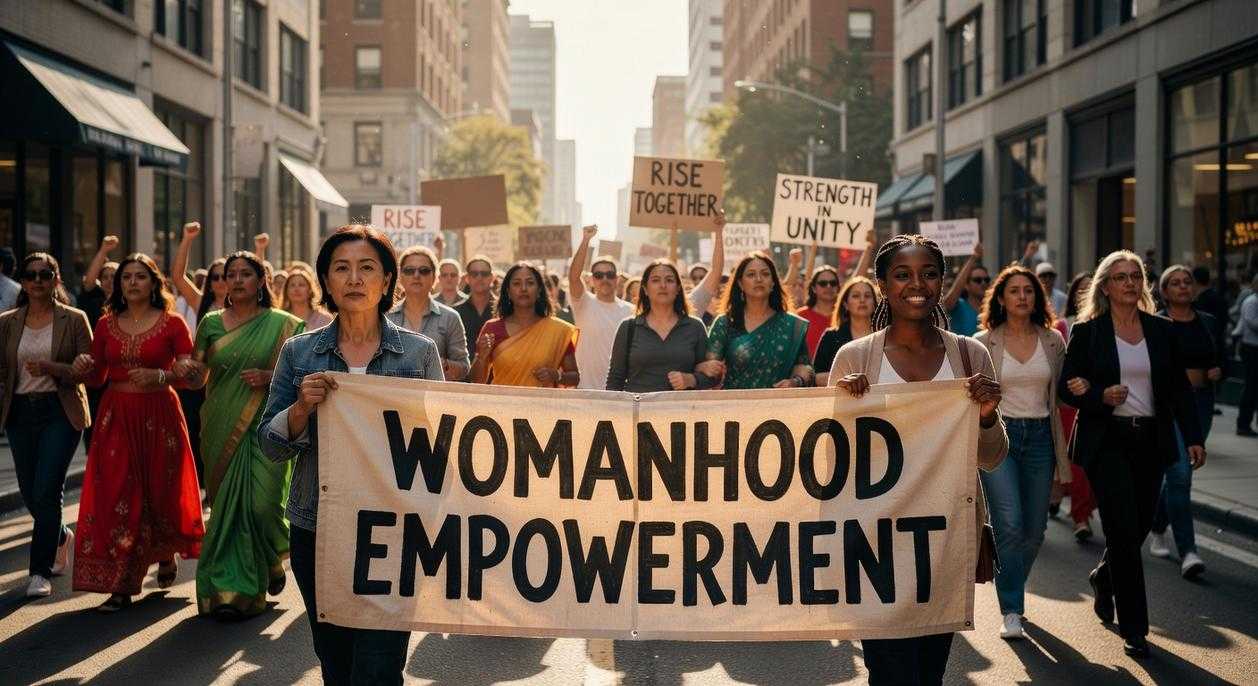
Online organizing has sparked real change too. The Women’s March in 2017 became one of the largest single-day protests in U.S. history, with an estimated 4 to 5 million participants nationwide. Much of that coordination happened through Facebook groups and Twitter threads.
This is what ewmhisto sisterhood empowerment by emergewomanmagazine represents today. Women supporting women across all boundaries.
The power of womanhood ewmhisto shows up when we recognize that feminism isn’t one size fits all. It’s messy and complicated because women’s lives are messy and complicated. In exploring the diverse narratives within gaming, we can truly appreciate The Power of Being a Woman Ewmhisto, as it reflects the multifaceted nature of femininity, challenging us to embrace the complexity and richness of women’s experiences in both virtual and real worlds. In exploring the diverse narratives within gaming, we can truly appreciate The Power of Being a Woman Ewmhisto, as it reflects the multifaceted experiences and struggles that shape women’s identities in a world that often overlooks their complexity.
And that’s exactly how it should be.
The Unfinished Journey of Empowerment
Women have been fighting for their place at the table for centuries.
This isn’t a story with a neat ending. It’s a continuous push forward that shifts with every generation.
From winning the right to vote to breaking into boardrooms to claiming space in digital conversations, the fight adapts. Each era brings new challenges and women rise to meet them.
I wanted you to see this pattern because it matters right now. The struggles of the past aren’t just history lessons. They’re blueprints for the work that still needs doing.
You came here to understand how female empowerment evolved. Now you see it’s not a destination but a movement that keeps building on itself.
The inequalities we face today have roots in yesterday’s battles. But so do our strategies for change.
Here’s what I want you to do: Share the stories of empowered women from your own life. Talk about the women in your community who are pushing boundaries and demanding equality.
Your voice adds to this historical record. Your stories become part of the roadmap for women who come after us.
At power of womanhood ewmhisto, we believe every woman’s story deserves to be told and remembered.
The journey continues. Your next step is to be part of it.
 Ask Tavessa Zyphandra how they got into health and wellness for women and you'll probably get a longer answer than you expected. The short version: Tavessa started doing it, got genuinely hooked, and at some point realized they had accumulated enough hard-won knowledge that it would be a waste not to share it. So they started writing.
What makes Tavessa worth reading is that they skips the obvious stuff. Nobody needs another surface-level take on Health and Wellness for Women, Historical Contributions by Women, Fashion and Lifestyle Trends. What readers actually want is the nuance — the part that only becomes clear after you've made a few mistakes and figured out why. That's the territory Tavessa operates in. The writing is direct, occasionally blunt, and always built around what's actually true rather than what sounds good in an article. They has little patience for filler, which means they's pieces tend to be denser with real information than the average post on the same subject.
Tavessa doesn't write to impress anyone. They writes because they has things to say that they genuinely thinks people should hear. That motivation — basic as it sounds — produces something noticeably different from content written for clicks or word count. Readers pick up on it. The comments on Tavessa's work tend to reflect that.
Ask Tavessa Zyphandra how they got into health and wellness for women and you'll probably get a longer answer than you expected. The short version: Tavessa started doing it, got genuinely hooked, and at some point realized they had accumulated enough hard-won knowledge that it would be a waste not to share it. So they started writing.
What makes Tavessa worth reading is that they skips the obvious stuff. Nobody needs another surface-level take on Health and Wellness for Women, Historical Contributions by Women, Fashion and Lifestyle Trends. What readers actually want is the nuance — the part that only becomes clear after you've made a few mistakes and figured out why. That's the territory Tavessa operates in. The writing is direct, occasionally blunt, and always built around what's actually true rather than what sounds good in an article. They has little patience for filler, which means they's pieces tend to be denser with real information than the average post on the same subject.
Tavessa doesn't write to impress anyone. They writes because they has things to say that they genuinely thinks people should hear. That motivation — basic as it sounds — produces something noticeably different from content written for clicks or word count. Readers pick up on it. The comments on Tavessa's work tend to reflect that.