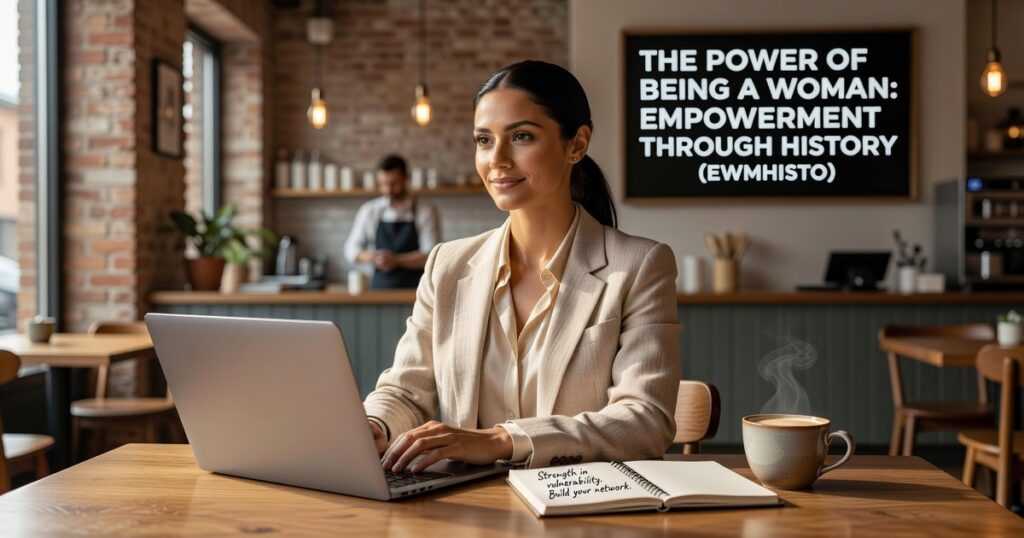
I’ve studied women’s history for years and one thing keeps hitting me: we’re only getting half the story.
You’ve probably noticed it too. Most historical accounts focus on one part of the world and ignore the rest. Or they tell women’s stories through a narrow lens that misses the bigger picture.
Here’s what’s missing: a real look at how women built power and fought for change across different cultures. Not just in the West. Not just in the East. Both.
This article compares women’s paths to empowerment in Eastern and Western societies. I’ll show you where those paths crossed and where they split off in completely different directions.
The power of being a woman at ewmhisto means understanding the full story. Not the sanitized version or the one that fits a single narrative.
I’ve pulled from historical records and research that span continents and centuries. The goal is simple: give you a complete view of how women shaped history in ways that often get left out of textbooks.
You’ll see the struggles that were universal and the ones that were unique to specific cultures. You’ll learn about contributions that changed societies but rarely make it into mainstream accounts.
No agenda here. Just the real history of female strength across the globe.
Ancient Foundations: Power, Spirituality, and Societal Roles
You want to understand where we came from.
I get it. Because if you don’t know the history, you can’t see the patterns that still shape our lives today.
Some people say ancient women had no power. That they were always confined and controlled. That every civilization treated them the same way.
But that’s not what the evidence shows.
I’ve spent years studying these societies through ewmhisto, and the truth is more complicated. Some ancient cultures gave women real authority. Others didn’t. And understanding the difference matters.
What the East Tells Us
Start with the Indus Valley civilization. Archaeologists found figurines and seals that point to matrifocal practices (societies where women held central roles). We’re talking about 3300 BCE here.
Then look at ancient Egypt. Women could own property. They could divorce. They could take legal action. Priestesses of Amun wielded serious religious and political influence.
Pro tip: When you read about ancient societies, look at property rights first. That’s where real power shows up.
Zhou Dynasty China shifted things. Confucian ideals pushed women toward domestic roles. But even then, Ban Zhao wrote the Lessons for Women around 100 CE. She became one of the most educated women of her time.
The Western Split
Athens kept women mostly at home. They couldn’t vote or own property.
But Sparta? Different story. Spartan women managed estates while men were at war. They exercised. They had a voice.
Sappho wrote poetry that still moves people today. Hypatia taught mathematics and philosophy in Alexandria. Boudica led a revolt against Rome that nearly succeeded.
The power of being a woman ewmhisto shows up when you stop looking at history as one story and start seeing it as many.
Here’s what you can take from this: Ancient women weren’t powerless everywhere. They found ways to claim authority through religion, property, education, and sometimes warfare. The societies that gave them legal standing produced remarkable figures. In exploring the narratives of ancient women’s empowerment, ewmhisto reveals how these remarkable figures navigated societal structures to assert their authority through various means, including religion and warfare. In the realm of gaming narratives, much like the compelling stories of ancient women’s empowerment highlighted in ewmhisto, players can uncover the strength and agency of characters who defy societal norms and assert their authority against the odds.
The Age of Empires and Enlightenment: Constraints and Contributions
You’ve probably heard that women had no power during the medieval and renaissance periods.
That’s not quite right.
Yes, patriarchal structures got stronger. The church and feudal systems locked women into rigid roles. But women still found ways to shape their worlds.
Let me show you what really happened.
Eastern Women Who Changed Everything
During the Islamic Golden Age, women ran businesses and contributed to scholarship. Fatima al-Fihri founded the world’s oldest university in 859 CE (it’s still operating in Morocco).
In Heian Japan, women created literature that defined an entire culture. Murasaki Shikibu wrote The Tale of Genji, often called the world’s first novel. While men wrote in Chinese, women wrote in Japanese and gave us the clearest picture of court life we have.
The Mughal Empire had Nur Jahan. She didn’t just influence her husband Emperor Jahangir. She issued royal orders, designed coins with her name on them, and basically ran the empire for years.
Western Constraints and Resistance
Europe was harder for women.
Feudalism tied women to land and marriage contracts. The church preached submission. And between 1450 and 1750, the witch trials killed thousands of women (often the ones who were too independent or too knowledgeable about medicine).
But even then, women pushed back.
Christine de Pizan wrote The Book of the City of Ladies in 1405, defending women’s capabilities when everyone said they were inferior. Mary Wollstonecraft published A Vindication of the Rights of Woman in 1792, arguing for women’s education and equality.
Women ruled as monarchs too. Elizabeth I, Catherine the Great, and Maria Theresa proved that women could lead empires just fine.
the power of being a woman ewmhisto means recognizing that constraints never stopped women completely. They adapted, resisted, and created change wherever they could find space to do it.
Modern Movements: Suffrage, Liberation, and Revolution
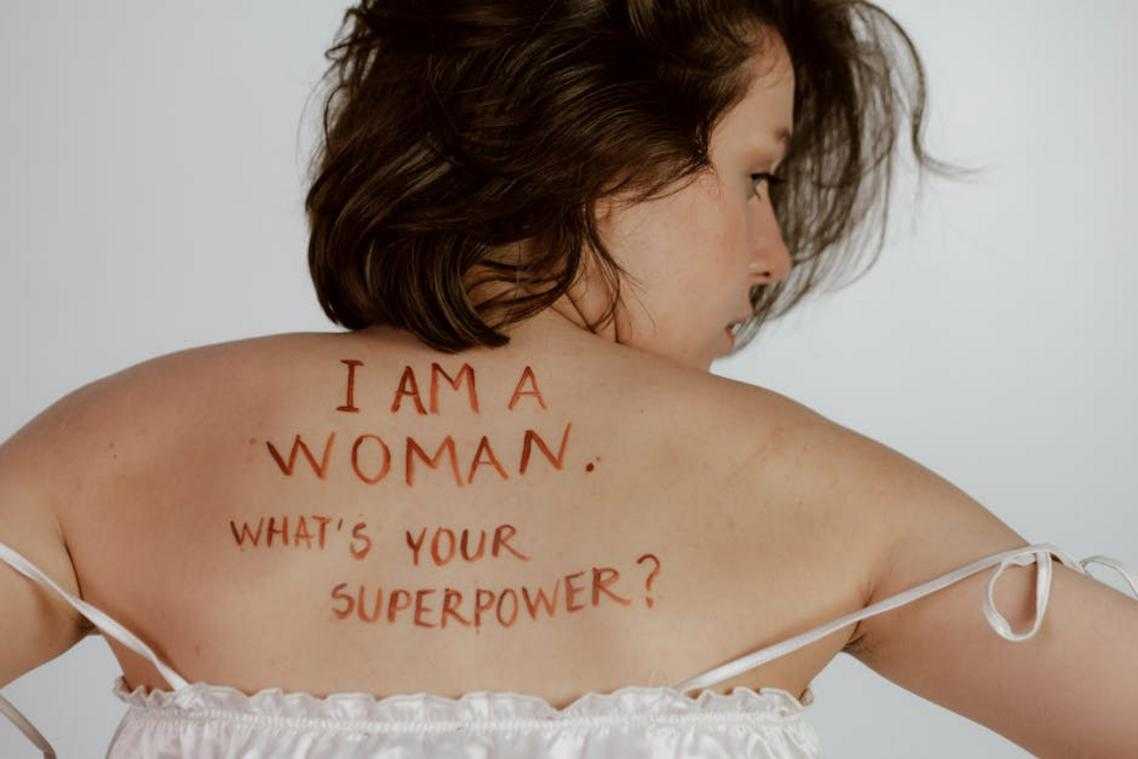
You know how a single spark can start a wildfire?
That’s what happened between the 19th and 20th centuries. Women everywhere stopped asking for permission and started DEMANDING change.
But here’s what most history books won’t tell you.
This wasn’t just a Western story. While the Pankhursts were chaining themselves to railings in London, women across the globe were fighting their own battles. Different continents. Different struggles. Same fire.
Some historians say these movements were separate. That women in India had nothing to do with suffragettes in America. That Chinese revolutionaries and British feminists lived in totally different worlds.
I disagree.
Think of it like tributaries feeding into a river. Each movement had its own source but they all flowed toward the same ocean of freedom.
In India, Sarojini Naidu wasn’t just fighting British colonialism. She was rewriting what it meant to be a woman in public life. Over in China, Qiu Jin literally gave her life for women’s education and political rights (she was executed in 1907 for her revolutionary activities). In exploring the profound legacies of figures like Sarojini Naidu and Qiu Jin, we uncover the “Power of Womanhood Ewmhisto,” a testament to the courage and resilience of women who dared to redefine their roles in society against the backdrop of colonial oppression and societal constraints. In the realm of gaming narratives, the “Power of Womanhood Ewmhisto” emerges as a compelling theme, echoing the courageous legacies of figures like Sarojini Naidu and Qiu Jin, who redefined female empowerment and resilience against oppressive forces.
Meanwhile, the Ottoman Empire was having its own reckoning with feminist thought. Women were publishing. Organizing. Questioning everything.
Russia and China? Communism promised equality but the reality was messier. Women got jobs and education. But they also got double shifts when they came home.
The West had its own contradictions too.
Suffragettes won the vote in the UK and US. Then what? The 1960s Second Wave crashed in because voting wasn’t enough. Simone de Beauvoir and Gloria Steinem pushed for workplace equality and reproductive rights. what makes a powerful woman ewmhisto picks up right where this leaves off.
This is the power of being a woman ewmhisto. We don’t just study these movements. We see ourselves in them.
Every protest. Every jailed activist. Every woman who refused to stay quiet.
They were building the world we inherited.
Contemporary Landscape: Global Challenges and Digital Empowerment
I won’t sugarcoat it.
We’ve made progress, but the fight isn’t over.
Right now in 2025, women still earn about 82 cents for every dollar men make (according to the U.S. Bureau of Labor Statistics). That gap has barely budged in the last five years. And that’s just in America. In some countries, it’s worse.
Some people say we should stop talking about these issues. They claim we’re living in the most equal time in history and that bringing up problems creates division.
But here’s what they’re missing.
You can’t fix what you won’t acknowledge. Violence against women hasn’t disappeared just because we have more female CEOs. Political representation matters when only 26% of national parliamentarians worldwide are women (UN Women, 2023).
The power of being a woman ewmhisto lies in facing these realities head-on.
What’s different now is how we fight back.
In 2017, #MeToo exploded across social media. Within 24 hours, millions of women shared their stories. That kind of collective voice didn’t exist before the internet. We’re using these tools to call out injustice in real time.
I’m also seeing more women launch their own businesses. Female entrepreneurship has grown 114% over the past two decades. When traditional systems fail us, we build our own.
And yes, we’re finally seeing women in rooms where decisions get made. Jacinda Ardern led New Zealand through a pandemic. Rihanna built a billion-dollar beauty empire. Dr. Kizzmekia Corbett helped develop the COVID-19 vaccine. As we celebrate the remarkable achievements of women in leadership and innovation, we are reminded that the journey toward equality and empowerment is chronicled in the inspiring narrative of the History Sisterhood Ewmhisto, which highlights the contributions of trailblazers like Jacinda Ardern and Dr. Kizzmekia As we celebrate the remarkable achievements of women in leadership and in various fields, we must also recognize initiatives like History Sisterhood Ewmhisto, which aim to amplify the voices and stories of female trailblazers shaping our world today.
These aren’t just feel-good stories. They’re proof that when women get opportunities, we change the game entirely.
A Shared Journey Forward
I created EWM Histo because women’s stories were being told in pieces.
The history of women’s empowerment isn’t just one narrative. It’s thousands of voices across continents and centuries that deserve to be heard together.
You came here to understand how these stories connect. Now you see the bigger picture.
When we only look at fragments, we miss the truth. Women in the East and West fought different battles but shared the same goal: equality on their own terms.
That fragmented view has held us back for too long.
The power of being a woman ewmhisto comes from seeing the whole story. When you understand how these movements shaped each other, you appreciate the fight in a new way.
Here’s what I want you to do: Keep exploring these stories. Celebrate the women who came before us and the ones leading today. Find ways to add your voice to this ongoing narrative in your own community.
Every woman’s contribution matters. Every story adds another thread to what we’re building together.
The work isn’t finished. Your next step is to carry these stories forward and create new ones worth telling. History Sisterhood Ewmhisto.
 Ask Tavessa Zyphandra how they got into health and wellness for women and you'll probably get a longer answer than you expected. The short version: Tavessa started doing it, got genuinely hooked, and at some point realized they had accumulated enough hard-won knowledge that it would be a waste not to share it. So they started writing.
What makes Tavessa worth reading is that they skips the obvious stuff. Nobody needs another surface-level take on Health and Wellness for Women, Historical Contributions by Women, Fashion and Lifestyle Trends. What readers actually want is the nuance — the part that only becomes clear after you've made a few mistakes and figured out why. That's the territory Tavessa operates in. The writing is direct, occasionally blunt, and always built around what's actually true rather than what sounds good in an article. They has little patience for filler, which means they's pieces tend to be denser with real information than the average post on the same subject.
Tavessa doesn't write to impress anyone. They writes because they has things to say that they genuinely thinks people should hear. That motivation — basic as it sounds — produces something noticeably different from content written for clicks or word count. Readers pick up on it. The comments on Tavessa's work tend to reflect that.
Ask Tavessa Zyphandra how they got into health and wellness for women and you'll probably get a longer answer than you expected. The short version: Tavessa started doing it, got genuinely hooked, and at some point realized they had accumulated enough hard-won knowledge that it would be a waste not to share it. So they started writing.
What makes Tavessa worth reading is that they skips the obvious stuff. Nobody needs another surface-level take on Health and Wellness for Women, Historical Contributions by Women, Fashion and Lifestyle Trends. What readers actually want is the nuance — the part that only becomes clear after you've made a few mistakes and figured out why. That's the territory Tavessa operates in. The writing is direct, occasionally blunt, and always built around what's actually true rather than what sounds good in an article. They has little patience for filler, which means they's pieces tend to be denser with real information than the average post on the same subject.
Tavessa doesn't write to impress anyone. They writes because they has things to say that they genuinely thinks people should hear. That motivation — basic as it sounds — produces something noticeably different from content written for clicks or word count. Readers pick up on it. The comments on Tavessa's work tend to reflect that.