Right now, all across the country, you’ll find women turning away from burned-out careers and heading back to school for nursing. And they’re not wasting time either. More and more of them are jumping into online accelerated programs that actually fit real people’s lives.
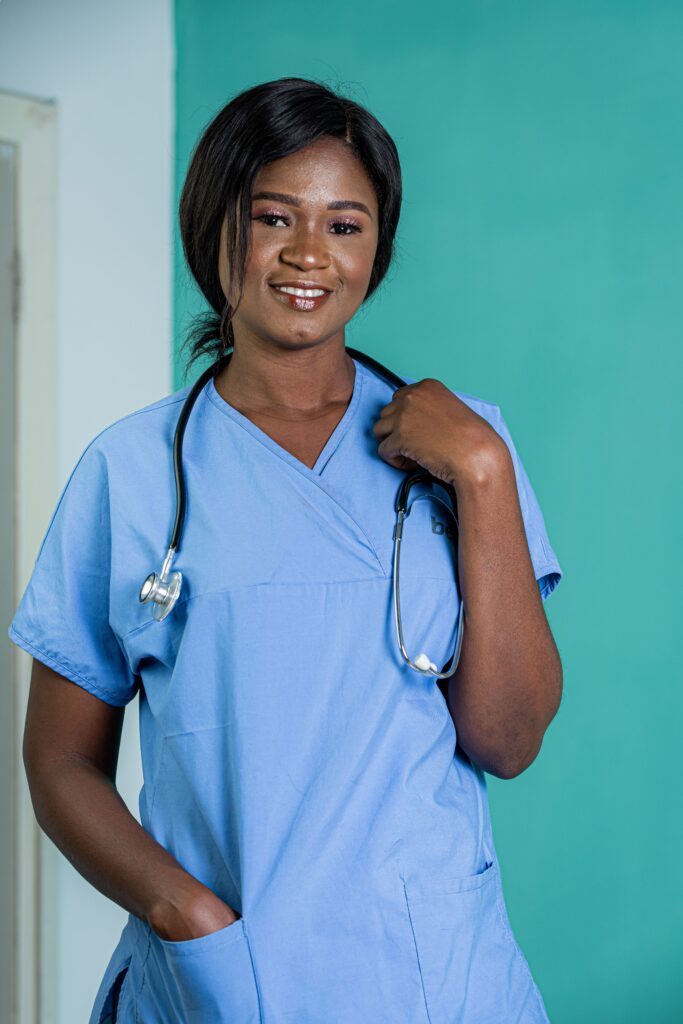
Nursing’s always attracted women. But something new is happening. Women who spent years in classrooms, labs or offices are leaving their careers behind, pulling on scrubs and starting over. And they’re not interested in doing the whole four-years-all-over-again thing. They’re signing up for accelerated nursing programs, a lot of them online with built-in clinicals, so anyone with a degree in something else can fast-track into nursing.
This isn’t just a little blip: Hospitals are noticing it, university program numbers are rising and you hear it in the stories of the women jumping in.
The numbers behind the movement
Nursing’s always been a woman’s world. The numbers back it up. USAFacts reports that about 87% of registered nurses in the U.S. are women, while women only make up 47% of the total workforce.
That difference says plenty about who usually shows up to help patients; and it helps explain why so many women feel a pull toward nursing when they’re after a job that matters.
Finding a program that fits a busy life
Here’s what makes this switch doable. These programs don’t ask people to hit pause on their lives. Lots of colleges now have online accelerated nursing programs, a mix of flexible online classes and in-person clinical training. That means students can keep working, keep being parents and keep paying bills.
Just check out Rockhurst University’s site, their online accelerated nursing program is all laid out: Programs you can join, FAQs, stories from people who made the switch and a clear application process that won’t drive you nuts. The university also leans hard into its Jesuit roots; personal transformation, serving the community and properly accredited degrees, so that years of tuition and trust actually go somewhere solid.
Why so many women are making the switch right now
After talking to enough people who made the leap, you notice the same kind of story popping up. Take Heather Severson. She logged years as a scientist, holding a degree in molecular biology and physiology. She got those promotions everyone chases, did her lab work well, but something was just off. She felt cut off from the people her research was supposed to help. So, she enrolled in an accelerated second-degree nursing program, graduated in August 2025, and is now a labor and delivery nurse in Texas, straight from the stats at Fairfield University.
Then there’s Jenna Easley. She spent ten years teaching elementary school, but wanted something more. She joined an accelerated BSN program, worked as a nurse tech on a pediatric hematology and oncology unit while finishing her coursework, and she’s on track to graduate in early 2025. She’s not planning to leave pediatric oncology behind, either. Her story even comes with a twist: Her scholarship connected back to a family whose son had been cared for by Jenna’s own mom, who’s also a nurse.
Stories like theirs aren’t rare anymore. Austin Woman pointed out recently that women making a full-on career shift are flocking to accelerated nursing programs. They want work that brings them into service and contact with actual people, not just another transactional job.
The country needs them
This flood of career-changers? It’s not just satisfying for them, it’s covering a real need. The healthcare system has to bring in over 200,000 new registered nurses every single year. That just keeps the doors open and replaces the wave of nurses retiring, according to the American Association of Colleges of Nursing.
Hospitals are feeling the heat. And women who step into nursing later in life; bringing more life experience, grit and no illusions about what work really is, are plugging gaps that need it.
A field built by women is now being rebuilt by them too
Women have shaped nursing since Florence Nightingale, and that thread hasn’t been cut. What’s different now is who’s coming in. Teachers, scientists, communications majors and ex-administrative assistants, they’re all showing up at these accelerated programs.
Why? Because they want work that actually matters. And since you can do it online, women with kids or a day job don’t have to make impossible choices about rent versus a new future.
Nursing as a top career pick for women
Nursing isn’t going anywhere as a top career pick for women. It just makes sense: It offers stability, purpose and a legitimately quick way into a new career, if you’re ready to dig in and work.
Whether someone’s a teacher heading for pediatric oncology or a lab scientist landing in labor and delivery, the stories all point one way: An accelerated program can flip a stalled career into a meaningful one, often way faster than you’d think.
 Ask Tavessa Zyphandra how they got into health and wellness for women and you'll probably get a longer answer than you expected. The short version: Tavessa started doing it, got genuinely hooked, and at some point realized they had accumulated enough hard-won knowledge that it would be a waste not to share it. So they started writing.
What makes Tavessa worth reading is that they skips the obvious stuff. Nobody needs another surface-level take on Health and Wellness for Women, Historical Contributions by Women, Fashion and Lifestyle Trends. What readers actually want is the nuance — the part that only becomes clear after you've made a few mistakes and figured out why. That's the territory Tavessa operates in. The writing is direct, occasionally blunt, and always built around what's actually true rather than what sounds good in an article. They has little patience for filler, which means they's pieces tend to be denser with real information than the average post on the same subject.
Tavessa doesn't write to impress anyone. They writes because they has things to say that they genuinely thinks people should hear. That motivation — basic as it sounds — produces something noticeably different from content written for clicks or word count. Readers pick up on it. The comments on Tavessa's work tend to reflect that.
Ask Tavessa Zyphandra how they got into health and wellness for women and you'll probably get a longer answer than you expected. The short version: Tavessa started doing it, got genuinely hooked, and at some point realized they had accumulated enough hard-won knowledge that it would be a waste not to share it. So they started writing.
What makes Tavessa worth reading is that they skips the obvious stuff. Nobody needs another surface-level take on Health and Wellness for Women, Historical Contributions by Women, Fashion and Lifestyle Trends. What readers actually want is the nuance — the part that only becomes clear after you've made a few mistakes and figured out why. That's the territory Tavessa operates in. The writing is direct, occasionally blunt, and always built around what's actually true rather than what sounds good in an article. They has little patience for filler, which means they's pieces tend to be denser with real information than the average post on the same subject.
Tavessa doesn't write to impress anyone. They writes because they has things to say that they genuinely thinks people should hear. That motivation — basic as it sounds — produces something noticeably different from content written for clicks or word count. Readers pick up on it. The comments on Tavessa's work tend to reflect that.