

Transforming Access to Education
Around the world, governments are rewriting the rules when it comes to education and this time, they’re putting girls front and center. Laws mandating equal access to schooling are being passed with real teeth. These aren’t symbolic gestures; they’re structural shifts. Countries like Sierra Leone have lifted long standing bans that prevented pregnant girls from attending school. Meanwhile, India has extended free education to girls through secondary school in multiple regions. These reforms remove legal and financial roadblocks, which means more girls staying in classrooms and out of early marriage or child labor.
But access itself isn’t the end goal. The ripple effects are hard to ignore. Girls who stay in school are more likely to earn higher incomes, avoid health risks, and make informed political decisions. Economies benefit, too. According to UNESCO, one additional year of education can increase a woman’s wages by up to 20%. Educated women are also more likely to raise educated children, creating a generational shift in opportunity.
The bold moves aren’t coming from the usual places, either. Countries like Tunisia, Bangladesh, and Mexico are proving that political commitment not GDP is the real game changer. Legal mandates, when backed by funding and enforcement, become force multipliers. They don’t just reshape classrooms they alter futures at scale.
If you want to see what this looks like on the ground, check out how education empowers girls.
Protecting Women from Gender Based Violence
Across the globe, countries are finally putting real laws on the books to combat domestic violence, sexual harassment, and femicide. From Spain’s comprehensive gender violence legislation to Mexico’s femicide specific criminal codes, legal systems are waking up to the urgency of targeted protections for women. These aren’t symbolic gestures they’re enforceable legal frameworks redefining what justice looks like in family courts, police stations, and public spaces.
But passing the law is only half the battle. Enforcement continues to struggle under outdated court processes, undertrained officials, and cultural norms that excuse violence or blame victims. In some areas, survivors are still reluctant to file complaints, knowing that protection is often more theoretical than real. Legal change without cultural backup doesn’t hold.
This is where communities are stepping in. From rural India to urban Brazil, locally rooted legal programs are bridging the gap training volunteers, establishing women led watchdog groups, and offering accessible legal clinics. These ground up models are gaining serious traction and influencing national policy, proving that when law and culture align, the shift is not just seen it’s felt.
Economic Equality Through Labor Laws
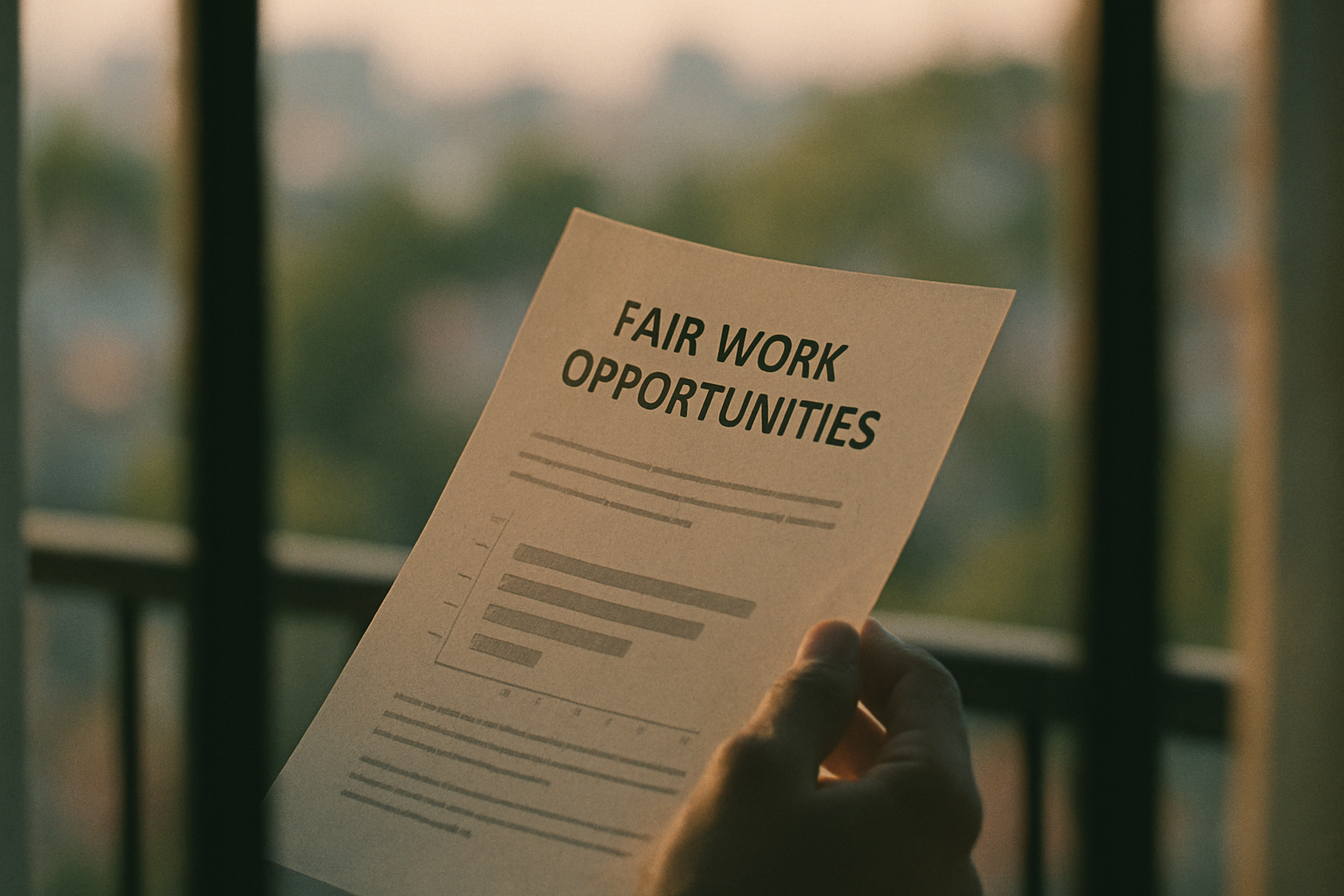
Progress around the gender wage gap has been slow but not static. Countries like Iceland and Spain are pushing forward with binding pay transparency laws, requiring companies to prove that men and women are paid equally for equal work. These aren’t voluntary codes or fluffy pledges. They’re enforceable legal structures that fine organizations for non compliance. It’s a blunt instrument, but it’s getting results: wage gaps in compliant sectors are narrowing.
On a broader front, labor protections tailored around women’s real lives are also improving. Nation level statutes offering paid maternity leave, subsidized childcare, and protections against workplace discrimination are becoming more than a nice to have they’re becoming the new standard. Countries like Sweden and New Zealand are leading with generous family leave and inclusive workplace laws, modelled on the idea that caregiving shouldn’t kill a career.
Then there’s the corporate ladder. Legal quotas for women in leadership especially in parts of Europe are forcing structural shifts in the boardroom. France now requires 40% female representation on company boards, with real penalties for falling short. Critics argue about tokenism, but supporters point to changing cultures and more female decision makers with actual power.
It’s not just legislation it’s leverage. Legal muscle is reshaping the workplace into something fairer, and while cultural change takes time, the laws are giving it a hard push.
Legal Recognition of Reproductive Rights
Access to reproductive healthcare is no longer a fringe debate it’s becoming a litmus test for gender equality. Countries like Argentina, Ireland, and Colombia have moved decisively to decriminalize abortion, setting high profile precedents that have reshaped policy conversations worldwide. These aren’t isolated reforms they’re systemic signals that women’s health and autonomy are moving closer to the center of public law.
The legal shift hasn’t just opened clinics; it has opened doors to broader social inclusion. When abortion is no longer criminalized, stigma loses its strongest legal anchor. Women gain more autonomy, fewer die from unsafe procedures, and public health systems can offer preventive care instead of punishment.
Of course, this evolution isn’t universal. Legal battles are still gripping courts in places like the United States, Poland, and El Salvador each inch of progress hard earned and often under threat. But there’s clear momentum. Where laws lead, populations follow. And slowly, the legal architecture is starting to support not restrict bodily autonomy.
Political Empowerment by Constitutional Inclusion
Mandating Gender Quotas: A Shift Toward Balance
Many countries are now adopting electoral laws that require a specific percentage of women to be represented in political offices. These gender quotas are not just symbolic they are recalibrating political power structures and opening doors for long excluded voices.
Key legal approaches include:
Reserved seats in national legislatures
Party candidate list requirements
Enforcement mechanisms with penalties for non compliance
These laws recognize that representation is the first step toward equity, ensuring women have the legal space to lead and legislate.
Legal Guarantees Are Reshaping Decision Making
The push for constitutional and legal guarantees of representation is changing not just who can run but who gets to shape policy. This shift influences governance at every level, from local councils to national parliaments.
Impact of legal guarantees:
Greater diversity in lawmaking leads to more inclusive policy outcomes
Issues traditionally underrepresented like childcare, gender based violence, and pay equity are getting legislative attention
Women leaders are serving as role models and multiplying participation rates
From Seats to Strength: Real Influence, Not Just Presence
While symbolic representation marks progress, the ultimate goal is substantive influence. Countries that combine quotas with leadership training, institutional reform, and cultural shifts are seeing the most success.
What makes gender quotas effective:
Support for women’s political participation beyond election day
Protection from political violence and systemic bias
Institutional backing for equal leadership roles, including committee chairs and cabinet positions
Legal reforms in this area aren’t just about fairness they’re changing the core functions of democracy by integrating diverse perspectives into the policymaking process.
Why These Laws Matter
Laws are more than ink on paper they set direction. Real change doesn’t stick without structure, and legal accountability gives women’s rights staying power beyond slogans and news cycles. When governments codify protections, opportunities, and representation, they create standards that outlast political tides. It’s not just about winning a fight once it’s about making sure the victory holds.
But impact doesn’t stop at legislation. Laws often become the springboard for deeper social shifts. When something gains legal recognition, it signals legitimacy. That’s where grassroots movements come in. They take the law, translate it into daily life, and push boundaries even further. Culture begins to change because the law gave it room to grow.
Take education. It’s where law meets life. Girls’ education laws have helped open doors, but actual progress stems from how those frameworks get used. Programs that work on the ground like those highlighted in this report—don’t just teach; they build futures. And when education scales, it strengthens the case for every other right.
Long term change is slow, but legal footing keeps it from slipping backward. That’s why these laws matter not just because of what they fix, but because of what they make possible.
 Krystal Berardizon has opinions about fashion and lifestyle trends. Informed ones, backed by real experience — but opinions nonetheless, and they doesn't try to disguise them as neutral observation. They thinks a lot of what gets written about Fashion and Lifestyle Trends, Women's Empowerment News, Health and Wellness for Women is either too cautious to be useful or too confident to be credible, and they's work tends to sit deliberately in the space between those two failure modes.
Reading Krystal's pieces, you get the sense of someone who has thought about this stuff seriously and arrived at actual conclusions — not just collected a range of perspectives and declined to pick one. That can be uncomfortable when they lands on something you disagree with. It's also why the writing is worth engaging with. Krystal isn't interested in telling people what they want to hear. They is interested in telling them what they actually thinks, with enough reasoning behind it that you can push back if you want to. That kind of intellectual honesty is rarer than it should be.
What Krystal is best at is the moment when a familiar topic reveals something unexpected — when the conventional wisdom turns out to be slightly off, or when a small shift in framing changes everything. They finds those moments consistently, which is why they's work tends to generate real discussion rather than just passive agreement.
Krystal Berardizon has opinions about fashion and lifestyle trends. Informed ones, backed by real experience — but opinions nonetheless, and they doesn't try to disguise them as neutral observation. They thinks a lot of what gets written about Fashion and Lifestyle Trends, Women's Empowerment News, Health and Wellness for Women is either too cautious to be useful or too confident to be credible, and they's work tends to sit deliberately in the space between those two failure modes.
Reading Krystal's pieces, you get the sense of someone who has thought about this stuff seriously and arrived at actual conclusions — not just collected a range of perspectives and declined to pick one. That can be uncomfortable when they lands on something you disagree with. It's also why the writing is worth engaging with. Krystal isn't interested in telling people what they want to hear. They is interested in telling them what they actually thinks, with enough reasoning behind it that you can push back if you want to. That kind of intellectual honesty is rarer than it should be.
What Krystal is best at is the moment when a familiar topic reveals something unexpected — when the conventional wisdom turns out to be slightly off, or when a small shift in framing changes everything. They finds those moments consistently, which is why they's work tends to generate real discussion rather than just passive agreement.