Understanding Holistic Mental Health
Holistic mental health isn’t about a single solution, a magic supplement, or a morning routine that fixes everything. It’s an approach that sees the whole person mind, body, and lifestyle as deeply connected. The food you eat, how you move, who you talk to, what you believe, and how much you pause it all feeds your mental state. There’s no neat separation between physical health and mental health. They overlap, influence, and mirror each other.
For women, this approach isn’t optional it’s essential. One size fits all wellness plans often ignore some of the heaviest hitters in a woman’s day to day experience. Hormonal shifts from puberty to pregnancy to perimenopause don’t just affect the body. They influence sleep, focus, emotional regulation, even self worth. Add caregiving responsibilities, whether for kids, parents, or partners, and you’ve got pressure from every angle. Then layer in social expectations: be kind, be productive, be calm, be beautiful, be everything all at once.
That’s why holistic mental health for women has to be flexible and personal. What works for one woman might not land at all for another. The key is tuning in, not checking out. It’s learning to listen to your body, carve space for your needs, and reshape routines around authenticity not aesthetics.
This isn’t indulgence. It’s survival. And when framed clearly, it’s empowerment.
Key Practices That Make a Difference
Nutrition: How what you eat supports mental clarity and emotional balance
What you eat isn’t just about energy or weight it’s fuel for your brain. Stable blood sugar, healthy fats, and key micronutrients play a starring role in staying emotionally balanced and mentally sharp. Think omega 3s from salmon, magnesium from leafy greens, and slow burning carbs like sweet potatoes or oats. The fewer blood sugar crashes, the fewer emotional free falls. Meal planning doesn’t have to be elaborate what matters is consistency and real food. Many women report clearer focus and steadier moods once ultra processed options are swapped out for simpler, nutrient dense choices.
Movement: The role of low impact exercise and yoga in mood stabilization
No need for high intensity or punishing routines. Even a 20 minute walk or a gentle yoga flow can shift your entire biochemistry. Movement resets stress hormones, boosts endorphins, and helps regulate the nervous system. For women juggling full time work, caregiving, or both, low impact workouts are sustainable and effective. Yoga, especially, isn’t just physical it’s emotional scaffolding. Stretching, breath syncing, and body awareness are tools for calming the mind. The key is doing it often, not perfectly.
Sleep hygiene: Underrated but essential especially for busy women multitasking multiple roles
Sleep is often the first thing women sacrifice and the last thing they prioritize. But it’s where mental clarity, hormonal balance, and emotional regulation start. Poor sleep doesn’t just leave you tired it drains focus, sharpens mood swings, and lowers your resilience. Creating a sleep friendly routine same bedtime, reduced screen time, darker rooms can change everything. Think of it as non negotiable care, not a luxury. For multitaskers, rest isn’t just recovery. It’s part of the strategy.
Mind Body Therapies Gaining Ground
Modern life doesn’t exactly slow down for anyone, but more women are turning inward to find something that can. Practices like meditation, breathwork, and guided visualization are simple on the surface, but they pack real impact. Just five to ten minutes a day can shift you from survival mode to something closer to peace. These tools don’t fix everything, but they build space between the noise and your response to it.
Then there’s the physical side of nervous system support. Acupuncture and massage therapy aren’t just indulgent extras they tap into deep systems that help regulate stress, improve sleep, and restore a sense of safety in the body. In the right hands, they do more than loosen tight muscles they loosen the grip of chronic tension that creeps into daily life.
Creativity and connection to the natural world round out the mix. Journaling helps process messy thoughts before they turn into spirals. Art therapy creates a safe outlet for feelings without needing the right words. And nature immersion yes, even a short walk without your phone reminds the mind to slow down and breathe. None of this is extreme. But in the day to day grind, it makes all the difference.
Social Support as a Healing Tool
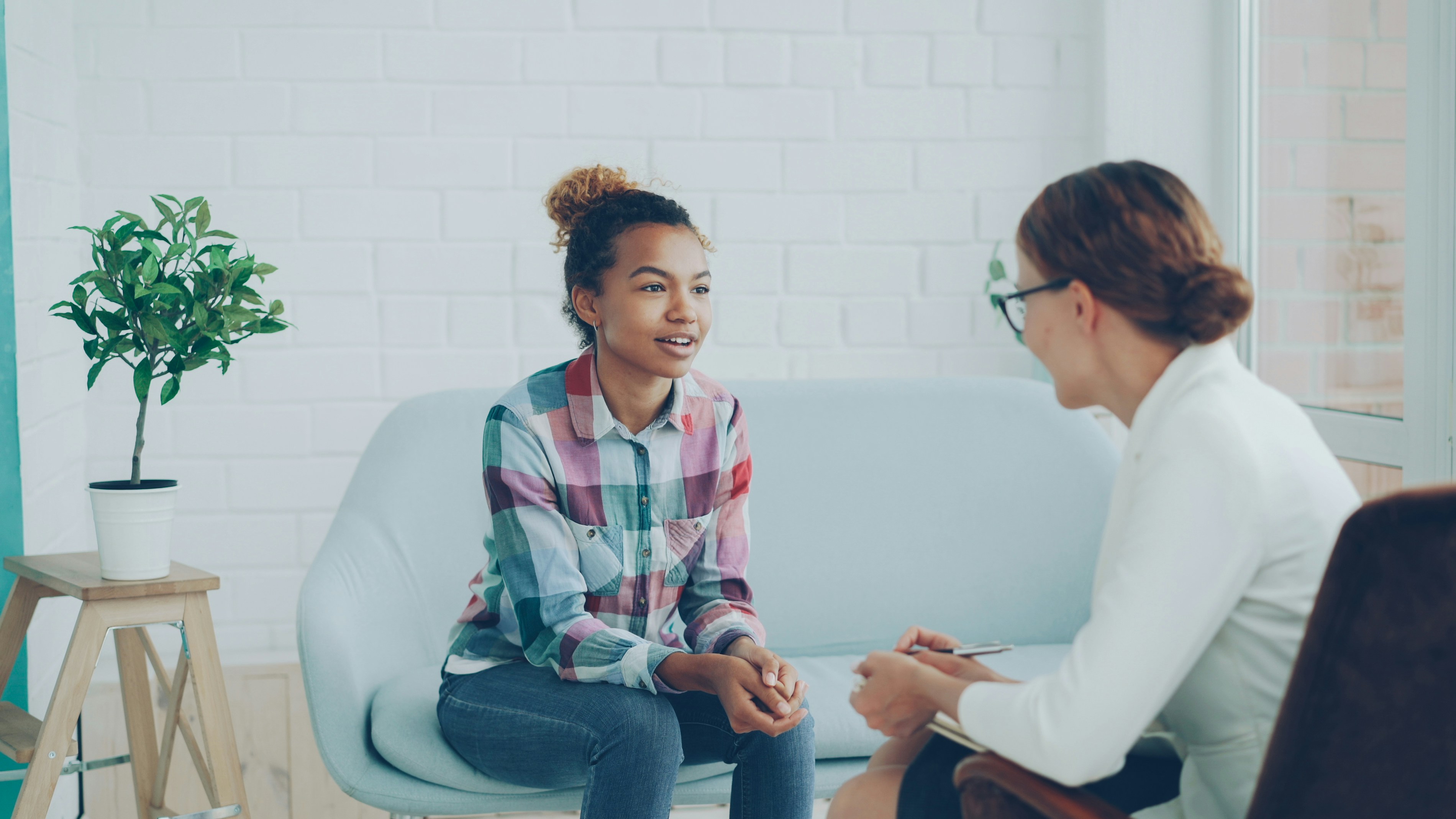
Science backs what many women already know intuitively: connection heals. Studies show that strong female bonds boost oxytocin the hormone linked to trust and emotional regulation while also lowering cortisol, the body’s stress signal. In plain terms, when women show up for each other, their nervous systems stabilize.
This is where the shift from solo self care to community care matters. Kale smoothies and journaling are great, but they don’t hold a candle to being listened to without judgment, or laughing with someone who gets your whole story. Healing isn’t just internal it’s relational. That’s something the wellness space is finally starting to catch up on.
From online therapy collectives to local women’s circles, more spaces are opening up for real, safe, sustained connection. Groups focused on maternal mental health, LGBTQ+ support, trauma recovery, or even informal neighborhood meetups are creating frameworks for shared resilience. These spaces aren’t about fixing anyone. They’re about not having to carry everything alone.
In a culture that often glorifies independence, the real power lies in interdependence. Women heal better when they don’t have to go it alone and that’s not weakness. That’s wisdom.
Managing Stress with Purpose
Chronic stress doesn’t usually scream it whispers. Women often carry it quietly, layered under full calendars, unpaid labor, and yes, the exhausting mental load of day to day decision making. Managing that kind of stress needs more than a bubble bath. It requires strategy.
Ground level routines help regulate the nervous system. Start small: consistent wake/sleep times, regular meals, even 10 minute breathwork sessions. These aren’t glamorous habits, but they anchor you. Morning light, quiet movement like stretching or low impact exercise, and honest breaks from screens all support a calmer baseline.
Tackling overthinking is another beast. Cognitive offloading helps: brain dumps in a journal, voice notes, or making micro lists instead of mental ones. Also, designate spaces and times to think then stop after. You’re not meant to process everything 24/7. The brain needs boundaries, too.
And finally, stress management for women must include the reality check: You won’t fix stress by just gritting your teeth. It’s not weakness to ask for rest, help, or structure it’s smart survival. For a deeper breakdown of tools and tailored routines, explore stress reduction for women.
When Professional Help Is the Right Choice
Holistic practices like meditation, diet, and movement can be transformative. But they’re not cure alls. There are signs that your mental health may need structured, clinical support. If emotions feel overwhelming more often than not, if daily tasks start slipping, or if relationships take a steady hit, it might be time to get professional eyes and ears on it. Gut instincts matter here: if something feels off for too long, don’t wait.
That’s where integrative care comes in. Think of it as building a team that plays well together. A trusted therapist helps unpack emotional patterns. A psychiatrist can guide medication support when necessary. And holistic practitioners fill critical gaps maybe addressing sleep, nervous system regulation, or food based healing. When they collaborate, women get whole person care that acknowledges biology, psychology, and life context.
Finding the right support starts with asking the right questions. Look for professionals who center women’s unique experiences around hormones, family roles, and even racial or cultural identity. Online directories like Psychology Today, Open Path, and Therapy for Black Girls offer filters for women centered or integrative approaches. It’s okay to interview providers before committing. The goal isn’t just access it’s alignment.
Closing Thoughts on Ownership and Healing
Shifting the Questions We Ask
Holistic mental health invites a different approach one that leans into curiosity rather than quick fixes. Instead of asking, “How can I get back to normal?” it opens space for questions like:
What does wellness feel like for me today?
Where in my life can I create more ease?
What am I holding onto that no longer serves me?
This framework encourages a broader and more compassionate view of healing, especially for women navigating unique mental, emotional, and physical demands.
Slow Work Is Still Progress
In a world that prizes productivity and instant change, slow healing can feel counterintuitive. But progress in holistic wellness is rarely linear it’s layered, cyclical, and deeply personal.
It’s okay to need rest.
It’s valid to move through seasons of growth and stillness.
It’s powerful to set boundaries in service of your own healing.
Intentional, steady efforts however small often lead to the most resilient outcomes.
Choose Empowerment Over Perfection
Perfectionism can quietly erode self worth, especially when it disguises itself as self improvement. A holistic approach to mental health centers empowerment instead:
Celebrate the progress you’ve made, no matter how subtle.
Allow space for mistakes and learning without judgment.
Define success by your own terms, not external expectations.
The goal isn’t to eliminate every challenge it’s to cultivate the strength, awareness, and support to meet them with greater clarity and self compassion.
 Krystal Berardizon has opinions about fashion and lifestyle trends. Informed ones, backed by real experience — but opinions nonetheless, and they doesn't try to disguise them as neutral observation. They thinks a lot of what gets written about Fashion and Lifestyle Trends, Women's Empowerment News, Health and Wellness for Women is either too cautious to be useful or too confident to be credible, and they's work tends to sit deliberately in the space between those two failure modes.
Reading Krystal's pieces, you get the sense of someone who has thought about this stuff seriously and arrived at actual conclusions — not just collected a range of perspectives and declined to pick one. That can be uncomfortable when they lands on something you disagree with. It's also why the writing is worth engaging with. Krystal isn't interested in telling people what they want to hear. They is interested in telling them what they actually thinks, with enough reasoning behind it that you can push back if you want to. That kind of intellectual honesty is rarer than it should be.
What Krystal is best at is the moment when a familiar topic reveals something unexpected — when the conventional wisdom turns out to be slightly off, or when a small shift in framing changes everything. They finds those moments consistently, which is why they's work tends to generate real discussion rather than just passive agreement.
Krystal Berardizon has opinions about fashion and lifestyle trends. Informed ones, backed by real experience — but opinions nonetheless, and they doesn't try to disguise them as neutral observation. They thinks a lot of what gets written about Fashion and Lifestyle Trends, Women's Empowerment News, Health and Wellness for Women is either too cautious to be useful or too confident to be credible, and they's work tends to sit deliberately in the space between those two failure modes.
Reading Krystal's pieces, you get the sense of someone who has thought about this stuff seriously and arrived at actual conclusions — not just collected a range of perspectives and declined to pick one. That can be uncomfortable when they lands on something you disagree with. It's also why the writing is worth engaging with. Krystal isn't interested in telling people what they want to hear. They is interested in telling them what they actually thinks, with enough reasoning behind it that you can push back if you want to. That kind of intellectual honesty is rarer than it should be.
What Krystal is best at is the moment when a familiar topic reveals something unexpected — when the conventional wisdom turns out to be slightly off, or when a small shift in framing changes everything. They finds those moments consistently, which is why they's work tends to generate real discussion rather than just passive agreement.