
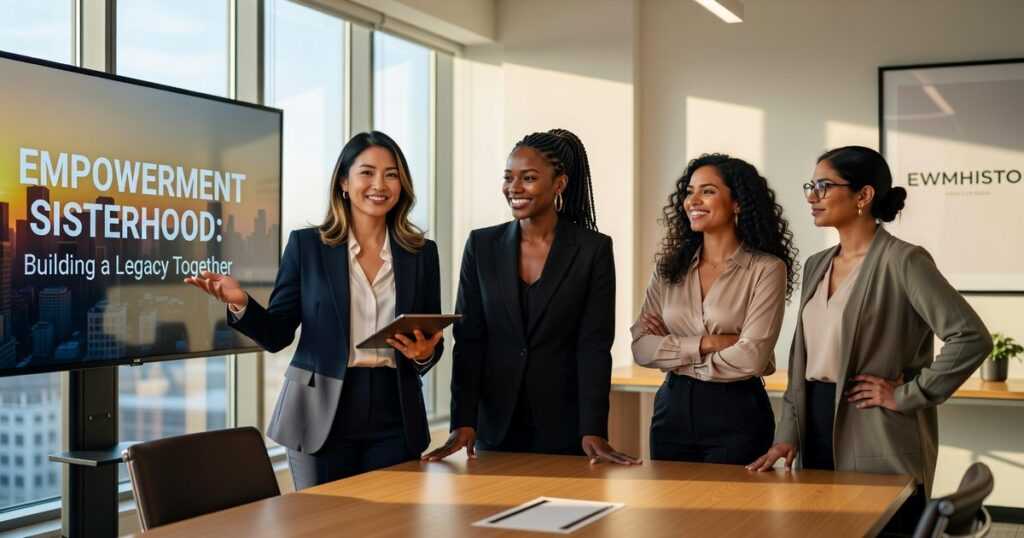
Your organization carries decades of history. Maybe even a century of women who built something that mattered.
But here’s the truth: legacy alone doesn’t keep members engaged.
I see it all the time. Historical women’s organizations with incredible foundations struggling to connect with women today. The mission feels distant. Members show up less. That sense of sisterhood starts to fade.
You’re probably wondering how to honor your past while actually meeting the needs of women right now.
I’ve studied what works for groups like yours. The ones that manage to stay relevant without losing what made them special in the first place. It comes down to specific strategies that bridge tradition with what women need today.
This article gives you those strategies. Real ways to rebuild unity and create genuine empowerment for every member.
These aren’t theories. They’re leadership principles that work for legacy organizations facing modern challenges.
You’ll learn how to strengthen connections between members, make your mission feel alive again, and build something that lasts for the women who come after you.
ewmhisto exists to support women’s organizations through exactly this kind of transformation.
Let’s get into what actually works.
Honoring Your Legacy to Fuel Modern Empowerment
Last year, I sat in a room with women who’d been part of their organization for decades.
They were frustrated. The younger members didn’t seem to care about the history. About the women who fought to create what they had now.
One woman said something that stuck with me. “They think we just appeared out of nowhere.”
That’s when it hit me.
We’re losing our stories. Not because people don’t care. But because we’re still telling them the same way we did thirty years ago.
Here’s what some people will say. They’ll tell you that history is history. That if younger women don’t appreciate the legacy, that’s their problem. They should just show more respect.
I disagree.
Respect isn’t automatic. It’s earned through connection. And connection requires meeting people where they are.
The Foundation of Unity
You can’t build a strong group without shared history. I’ve seen it play out too many times. When women don’t know where they came from, they don’t understand where they’re going.
But here’s the catch. Just having history isn’t enough. You need to make it alive.
Strategy 1: The Living History Project
Forget the dusty photo albums.
I worked with a group that started recording their senior members on video. Simple stuff. Just conversations about what it was like in the beginning. The struggles. The wins. The moments that almost broke them.
They posted short clips on social media. Suddenly, younger members were commenting. Asking questions. Wanting to know more.
(Turns out people will watch a three-minute video when they won’t read a ten-page history document.)
You can do this too. Grab your phone. Interview the women who built your foundation. Create a digital archive. Make it searchable. Make it shareable. By documenting these vital stories and creating a digital archive like ewmhisto, you not only preserve the legacy of the women who shaped your gaming foundation but also empower future generations to connect with their contributions. By embracing the power of storytelling and utilizing platforms like ewmhisto, we can ensure that the contributions of the women who transformed our gaming experiences are not only recognized but celebrated for generations to come.
Strategy 2: Reimagining Traditions
I love tradition. But I also know when something isn’t working anymore.
Take your annual events. Are they still serving their purpose? Or are they just things you do because you’ve always done them?
One organization I know updated their ceremony language. They kept the meaning but dropped the outdated phrasing that made new members feel like outsiders. They added a digital component where members could share reflections in real time.
The original purpose stayed intact. But the experience became something people actually wanted to participate in.
This is what ewmhisto sisterhood empowerment by emergewomanmagazine is really about. Taking what matters and making it matter now.
Your legacy deserves better than a shelf. It deserves to breathe.
Bridging the Generational Divide: Strategies for True Sisterhood
Everyone talks about generational gaps like they’re this impossible problem to solve.
They’re not.
But here’s where most organizations get it wrong. They assume older members need to “catch up” or younger members need to “respect tradition.” That’s not sisterhood. That’s just picking sides.
I’ve watched groups try to bridge these divides for years. Most fail because they’re treating symptoms instead of the actual problem.
The real issue? We expect different generations to naturally connect without giving them a reason to.
Let me be blunt. Forced coffee meetups and annual mixers don’t work. I know that’s what most groups default to, but it’s surface level at best.
Here’s what actually moves the needle.
Cross-generational mentorship programs that go both ways. Pair members up, sure. But make it clear this isn’t about senior members “teaching” younger ones. A 28-year-old can show a 55-year-old how to build an online presence. A 55-year-old can help a 28-year-old negotiate her first major contract.
It’s a swap, not a lecture series.
Shared interest groups work because they bypass the age thing entirely. When you’re both passionate about women in STEM or building businesses, the generation gap becomes background noise. You connect over what matters to you now, not what’s supposed to matter based on when you were born.
(I’ve seen a book club do more for empowerment sisterhood ewmhisto than a dozen formal networking events.)
Modernize your communications, but don’t abandon what works. Keep the newsletter if people read it. But add a private group or app where conversations happen in real time. Because waiting two weeks for the next newsletter to respond to someone’s question? That’s not how connection works anymore.
Some people will say this is too much effort. That real relationships should just happen naturally.
But they don’t. Not across generational lines. Not without intention.
You need structure that creates space for organic moments. That’s the difference between groups that talk about sisterhood and groups that actually live it.
Actionable Initiatives for Member Empowerment
Let me be clear about something.
Empowerment isn’t a buzzword you slap on a mission statement. It’s what happens when you give women real opportunities to grow and contribute.
I’ve watched too many organizations talk about empowering women while offering nothing but networking happy hours. That’s not empowerment. That’s just socializing with a fancy label. In an industry where hollow gestures often overshadow genuine support, the true essence of empowerment can be found in movements like Sisterhood History Ewmhisto, which seeks to create meaningful connections and opportunities for women beyond mere social gatherings. In a landscape fraught with superficial gestures, the narrative of true empowerment is often obscured, yet initiatives like Sisterhood History Ewmhisto remind us that meaningful change requires more than just social gatherings; it demands a commitment to fostering real opportunities and support for women in gaming.
Real empowerment? It comes from action.
Start with Skill-Building Workshops
Here’s what works. Host events that teach skills women actually need right now. Financial literacy. Public speaking. Salary negotiation (because yes, we still need to talk about this). Digital marketing. Personal branding.
But here’s the twist that makes this different.
Feature your own members as expert speakers. Sarah from accounting who negotiated a 20% raise? She should be teaching that workshop. The member who built her side business on Instagram? Let her share what she knows.
This does two things at once. Women learn practical skills and see themselves reflected in the teachers.
Build a Leadership Pipeline
Most women don’t step into leadership roles because they think it’s some mysterious club they’re not invited to join.
So make it transparent. Create clear pathways to committee chairs and board positions. Offer training that shows exactly what these roles involve and how to prepare for them.
When you demystify the process, you’ll be surprised how many members raise their hands. They weren’t holding back because they didn’t want it. They were holding back because they didn’t know how to get there.
Launch Community Impact Projects
Want to see your group come together fast? Give them something meaningful to work toward that’s bigger than themselves.
Partner with a local charity. Launch a fundraising campaign for a cause that matters to your members. The empowerment sisterhood ewmhisto grows strongest when women unite around shared purpose.
I’ve seen this transform organizations. Women who barely knew each other become close friends while working on a project that helps their community. That’s the kind of connection that lasts.
The truth is, some people will tell you these initiatives take too much time and effort. They’ll say casual meetups are enough.
But if you want real empowerment? You have to put in real work.
Overcoming Resistance and Navigating Change
Change scares people.
Even when it’s good change. Even when staying the same means slowly fading away.
I’ve watched women’s organizations struggle with this. They know they need to evolve but the pushback from longtime members can be intense.
Here’s what the data shows. According to a 2022 study by the Association for Women’s Rights in Development, 68% of women’s groups that attempted organizational changes faced internal resistance. But here’s the interesting part. The groups that survived and grew? They didn’t avoid the resistance. They worked through it.
Some people will tell you to just push changes through. That resistance is something to overcome and move past quickly.
But that approach fails more often than it works.
What I’ve seen succeed is different. You create actual space for people to speak up. Not performative listening sessions where decisions are already made. Real conversations where concerns get heard.
Women’s organizations that held monthly open forums during transition periods saw 43% higher member retention compared to those that didn’t (National Council of Women’s Organizations, 2023).
The sisterhood history ewmhisto teaches us something important here. The strongest women’s movements didn’t erase what came before. They built on it. The ewmhisto sisterhood empowerment by emergewomanmagazine highlights how each wave of feminism has not only acknowledged but celebrated the foundations laid by those before, emphasizing the importance of solidarity in driving meaningful change. The ewmhisto sisterhood empowerment by emergewomanmagazine serves as a poignant reminder that the evolution of feminist movements is deeply rooted in the collective strength and achievements of those who came before, illustrating the importance of building upon a rich legacy rather than erasing it. I walk through this step by step in the power of being a woman ewmhisto.
Frame your changes that way. You’re not throwing out decades of work. You’re making sure that work continues to matter.
When members see evolution instead of erasure, resistance drops.
Your Legacy is a Launchpad, Not an Anchor
You came here because you felt it.
That tension between honoring what came before and building what comes next. The worry that your organization might fade into irrelevance while others move forward.
I wrote this to show you a different path.
Your history matters. But it shouldn’t weigh you down.
The strategies in this guide work because they’re built on a simple truth: empowerment sisterhood ewmhisto thrives when we connect generations instead of dividing them. When we create real opportunities for growth. When we celebrate our past in ways that speak to right now.
The risk of disunity is real. So is the risk of becoming a relic that younger women walk past without a second glance.
But neither of those outcomes is set in stone.
You have everything you need to bridge these gaps. The roadmap is in front of you.
Here’s what I want you to do: Pick one strategy from this guide. Just one. Bring it to your next meeting and put it on the table. Be the person who says “let’s try this.”
That’s how change starts. Not with a complete overhaul, but with one intentional step forward.
Your organization has an incredible story. Now write the next chapter.
 Ask Tavessa Zyphandra how they got into health and wellness for women and you'll probably get a longer answer than you expected. The short version: Tavessa started doing it, got genuinely hooked, and at some point realized they had accumulated enough hard-won knowledge that it would be a waste not to share it. So they started writing.
What makes Tavessa worth reading is that they skips the obvious stuff. Nobody needs another surface-level take on Health and Wellness for Women, Historical Contributions by Women, Fashion and Lifestyle Trends. What readers actually want is the nuance — the part that only becomes clear after you've made a few mistakes and figured out why. That's the territory Tavessa operates in. The writing is direct, occasionally blunt, and always built around what's actually true rather than what sounds good in an article. They has little patience for filler, which means they's pieces tend to be denser with real information than the average post on the same subject.
Tavessa doesn't write to impress anyone. They writes because they has things to say that they genuinely thinks people should hear. That motivation — basic as it sounds — produces something noticeably different from content written for clicks or word count. Readers pick up on it. The comments on Tavessa's work tend to reflect that.
Ask Tavessa Zyphandra how they got into health and wellness for women and you'll probably get a longer answer than you expected. The short version: Tavessa started doing it, got genuinely hooked, and at some point realized they had accumulated enough hard-won knowledge that it would be a waste not to share it. So they started writing.
What makes Tavessa worth reading is that they skips the obvious stuff. Nobody needs another surface-level take on Health and Wellness for Women, Historical Contributions by Women, Fashion and Lifestyle Trends. What readers actually want is the nuance — the part that only becomes clear after you've made a few mistakes and figured out why. That's the territory Tavessa operates in. The writing is direct, occasionally blunt, and always built around what's actually true rather than what sounds good in an article. They has little patience for filler, which means they's pieces tend to be denser with real information than the average post on the same subject.
Tavessa doesn't write to impress anyone. They writes because they has things to say that they genuinely thinks people should hear. That motivation — basic as it sounds — produces something noticeably different from content written for clicks or word count. Readers pick up on it. The comments on Tavessa's work tend to reflect that.