How Feminism is Reshaping Beauty Standards
The old playbook rooted in the male gaze is losing ground. Feminism has pushed the question: who gets to define beauty, and why was it ever so narrow? In 2026, we’re seeing more people define beauty on their own terms. That means body hair isn’t political it’s just normal. Age is not a flaw, and skin tone isn’t something to be evened out it’s just skin. And identity? It’s central, not optional.
Self expression now outweighs conformity. Beauty isn’t a checklist anymore. It’s confidence in being visibly, audibly, and unapologetically yourself. That shift shows up where it counts: in ad campaigns, on magazine covers, in viral looks that feel non curated, human, and real.
Representation isn’t just a box to tick. It’s essential. When media actually reflects the people watching disability, gender fluidity, cultural heritage it not only challenges the status quo, it reshapes it. The result? A slower, but more honest beauty culture. One that listens. One that sees. One that belongs to all of us.
Power Shift in the Fashion Industry
Inclusive casting isn’t a trend it’s a line in the sand. At this point, putting only one type of body, face, or identity on a campaign isn’t just tone deaf it’s a business mistake. Audiences are smarter. They want reality, not runway illusions. Fashion leaders in 2026 aren’t chasing tokenism; they’re building runway shows and lookbooks that actually reflect the people wearing the clothes.
And it’s not just about who’s in front of the camera. Brands led by feminist values are rewriting how things are done behind the scenes too campaign strategy, product design, and even leadership roles. These values aren’t scrawled on mission statements; they’re baked into company culture. It’s a power shift from legacy houses to purpose led labels that put inclusivity first because they believe in it and because it works.
Grassroots movements have been the compass. From disability advocates challenging beauty algorithms to queer influencers creating their own fashion week alternatives, the most meaningful change is coming from the margins. And they’re not asking permission. Non traditional style icons think older influencers, trans stylists, plus size models, and creators outside big city bubbles are setting the pace. Mainstream brands are no longer the gatekeepers. They’re scrambling to keep up.
Gender Neutrality and Body Positivity
In 2026, fashion is finally catching up with the complexity of real people’s identities. More labels are leaving gendered templates behind, making room for collections built around self expression instead of binary categories. Clothing lines are stepping back from “men’s” and “women’s” sections in favor of fluid forms, modular designs, and sizing that doesn’t punish variation.
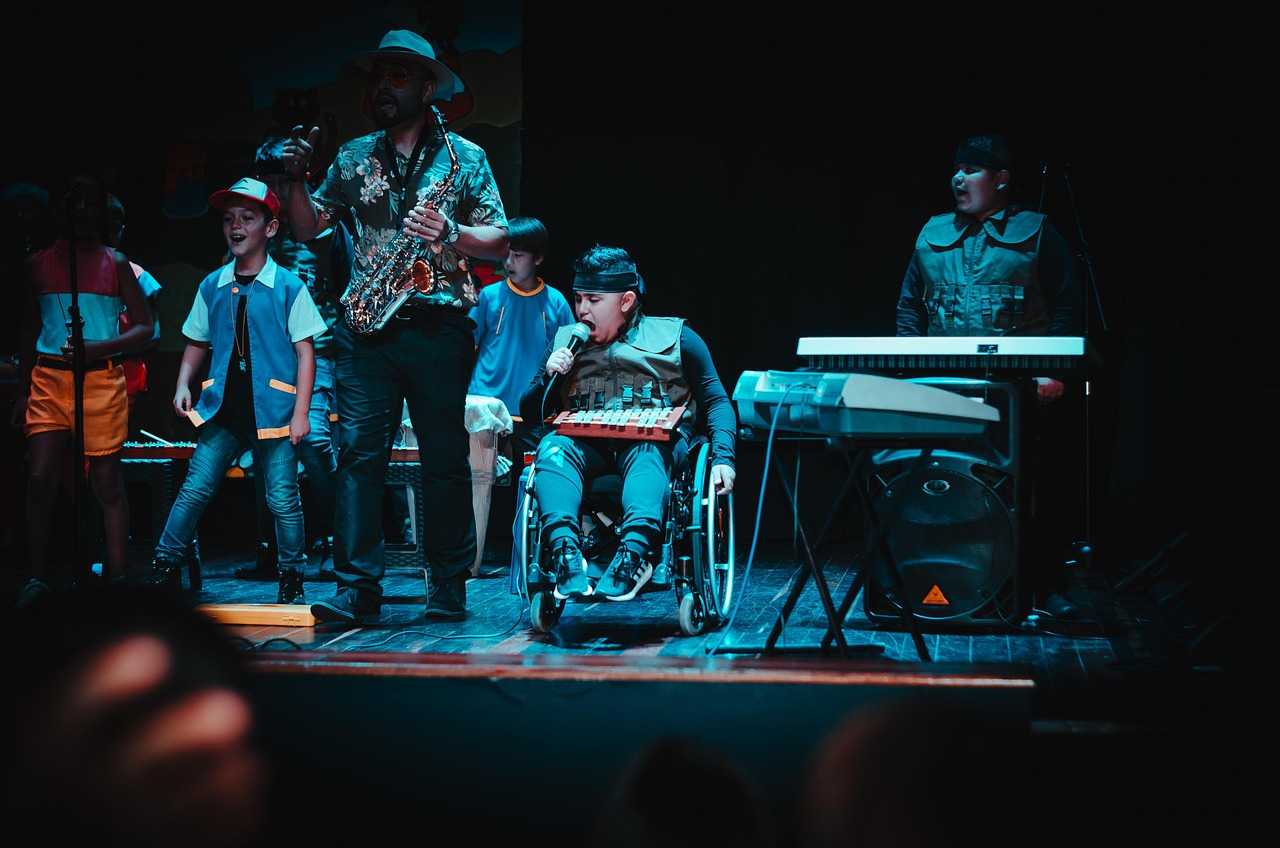
The shift is also physical. Models with disabilities, scars, non standard body shapes, and neurodivergent traits are no longer being cast as statements they’re being cast as people. Period. The goal isn’t shock value, it’s normalization. You can’t claim inclusivity while only showcasing one kind of body in ten shades of beige.
This isn’t just talk. Brands like Chromat and Universal Standard continue to center marginalized bodies. Meanwhile, campaigns led by feminist creators think Aaron Rose Philip’s high fashion gigs or Selma Blair’s new adaptive style collaboration are proof that representation doesn’t need a caveat.
For a deeper look at how these stories are shaping the mainstream, check out inclusive style 2024.
The Digital Mirror: Feminism, Filters, and Social Media
Unrealistic beauty filters have gone from novelty to norm airbrushed skin, altered jawlines, widened eyes. But in 2026, feminism is pulling the plug. The movement is challenging what gets labeled as “ideal” and asking tougher questions: Who are we editing for? Who benefits when everyone looks the same?
In response, a growing wave of creators especially women and non binary voices are ditching filters and pushing toward raw, unretouched visuals. They’re showing stretch marks, acne, wrinkles. Not as statements, not as brave acts, but simply as reality. It’s not about shock value. It’s about showing up as you are and making space for others to do the same.
Platforms are noticing. Algorithms are beginning to reward more “authentic” content, and some apps now highlight filter free challenges or let audiences know when images have been altered. Slowly, the digital mirror is shifting, cracking away from pre packaged perfection.
For creators, this shift isn’t just political it’s practical. Audiences are craving connection over polish. Showing up unfiltered may become a new kind of superpower.
For a broader view on how evolving beauty standards are changing fashion and influence, check out inclusive style 2024.
Where Style Is Headed
In 2026, fashion isn’t just about looking good. It’s about showing up for yourself and for the causes you care about. Where once the industry dictated trends from glossy heights, now style decisions come from the ground up. People are dressing to feel powerful, not to perform.
Fashion is getting deeply personal. From fluid silhouettes to heritage patterns reimagined, what you wear is a vote a quiet statement about identity, purpose, and where you stand. It’s political without the pins or the hashtags. And it’s inclusive in a way that doesn’t just reference diversity it centers it.
Feminism plays a different role here. It’s not setting rules or scolding choices. It’s doing the opposite: handing control back. Dress loud. Dress plain. Swap heels for sneakers, suits for saris what matters is that it’s yours. Style in 2026 doesn’t ask for permission. It meets you where you are, then helps you walk in it.