
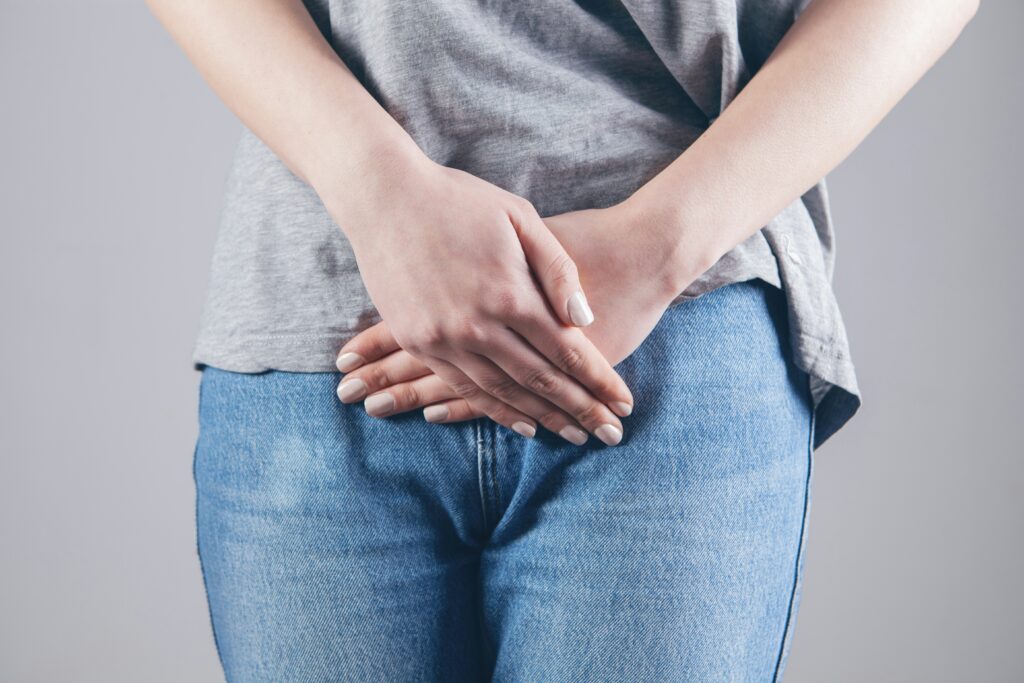
Natural remedies won’t physically dissolve uterine fibroids, but they can meaningfully change how your body responds to them. Because fibroid growth is heavily driven by estrogen, the approaches that tend to work best focus on lowering excess estrogen, reducing inflammation, and supporting the organs that process hormones.
Here are a few natural ways that could help.
Change Your Diet to Lower Estrogen and Cut Inflammation
Diet is one of the most direct levers you have over your hormone levels, and it’s worth taking seriously. If you’re researching fibroids in uterus treatment options, you’ll find that dietary changes come up consistently because the connection between food and estrogen metabolism is well-documented.
Cruciferous vegetables are especially worth adding to your routine. Broccoli, kale, cabbage, and Brussels sprouts contain a compound called indole-3-carbinol, which helps your liver process and excrete excess estrogen rather than letting it recirculate.
Pair those with high-fiber foods like whole grains, lentils, chia seeds, and beans. Fiber binds to estrogen in your digestive tract before it can be reabsorbed, which is a quiet but reliable way to reduce your overall estrogen load over time.
On the flip side, some foods consistently make things worse. Red meat, high-fat dairy, refined carbs, and alcohol all tend to spike inflammation and raise estrogen levels.
Cutting back on these doesn’t have to happen all at once, but the closer you get to an anti-inflammatory, fiber-rich diet, the more support you’re giving your body to manage fibroid symptoms without medication.
Add These Three Supplements to Target Fibroid Growth Directly
Green tea extract has gotten real scientific attention for its effects on fibroid cells. The active compound is called EGCG, and clinical trials using around 800 mg daily have shown it can reduce fibroid volume and ease excessive bleeding. It’s not a cure, but the evidence behind it is stronger than most natural options out there.
Vitamin D is another one that keeps showing up in the research. There’s a consistent link between vitamin D deficiency and faster fibroid growth, which makes sense given how broadly vitamin D affects immune and hormonal function. Many people are deficient without knowing it, so getting your levels checked before supplementing is a smart move.
Curcumin, the active compound in turmeric, has solid anti-inflammatory properties and some early evidence suggesting it can slow the replication of fibroid cells. It won’t act fast, and absorption is notoriously tricky without a fat source or black pepper, but it’s a reasonable addition to a broader protocol.
Exercise Regularly and Manage Stress to Keep Hormones in Check
Regular physical exercise does a few things that directly support fibroid management. It helps regulate insulin, which in turn helps regulate estrogen. It improves blood flow to the pelvic organs. And it releases endorphins, which genuinely help with fibroid pain on bad days. You don’t need intense workouts. Thirty minutes of brisk walking, swimming, or yoga most days is enough to make a real difference over time.

Body weight matters too, though not in a way that’s meant to be judgmental. Fat cells produce estrogen. Carrying excess weight raises your baseline estrogen exposure, which creates better conditions for fibroid growth. Even modest, sustainable weight loss can shift that balance.
Stress is the one most people underestimate. High cortisol disrupts progesterone levels, which tips the hormonal scale toward estrogen dominance. Relaxation techniques like mindfulness, deep breathing, and even tai chi aren’t just feel-good suggestions. They’re tools for hormone regulation.
Acupuncture is another option that some women find genuinely helpful for symptom relief, particularly for pelvic pain and sleep disruption.
Consider Traditional Chinese Herbal Formulas for Circulation and Pain Relief
Traditional Chinese medicine views fibroids differently than Western medicine does. In that framework, they’re often associated with poor circulation and what practitioners call “blood stagnation.”
Whether or not that framing resonates with you, some of the herbal medicines used in this tradition have been studied in randomized clinical trials with promising results.
Guizhi Fuling Tang, a formula also known as the Cinnamon Twig and Poria Pill, is one of the most researched. It contains herbs like radix paeoniae rubra and panax notoginseng, which are thought to improve uterine blood flow and ease severe menstrual cramps.
If this interests you, working with a licensed practitioner rather than self-prescribing is the right approach. The quality of herbal medicines varies widely, and getting the preparation right matters.
Know When to Seek Medical Treatment
The natural approach and the medical one aren’t opposites. For many women, the most effective path combines dietary changes, targeted supplements, and stress management for day-to-day symptom relief, alongside medical options like uterine fibroid embolization or MRI-guided focused ultrasound surgery when symptoms become severe enough to warrant them.
 Ask Tavessa Zyphandra how they got into health and wellness for women and you'll probably get a longer answer than you expected. The short version: Tavessa started doing it, got genuinely hooked, and at some point realized they had accumulated enough hard-won knowledge that it would be a waste not to share it. So they started writing.
What makes Tavessa worth reading is that they skips the obvious stuff. Nobody needs another surface-level take on Health and Wellness for Women, Historical Contributions by Women, Fashion and Lifestyle Trends. What readers actually want is the nuance — the part that only becomes clear after you've made a few mistakes and figured out why. That's the territory Tavessa operates in. The writing is direct, occasionally blunt, and always built around what's actually true rather than what sounds good in an article. They has little patience for filler, which means they's pieces tend to be denser with real information than the average post on the same subject.
Tavessa doesn't write to impress anyone. They writes because they has things to say that they genuinely thinks people should hear. That motivation — basic as it sounds — produces something noticeably different from content written for clicks or word count. Readers pick up on it. The comments on Tavessa's work tend to reflect that.
Ask Tavessa Zyphandra how they got into health and wellness for women and you'll probably get a longer answer than you expected. The short version: Tavessa started doing it, got genuinely hooked, and at some point realized they had accumulated enough hard-won knowledge that it would be a waste not to share it. So they started writing.
What makes Tavessa worth reading is that they skips the obvious stuff. Nobody needs another surface-level take on Health and Wellness for Women, Historical Contributions by Women, Fashion and Lifestyle Trends. What readers actually want is the nuance — the part that only becomes clear after you've made a few mistakes and figured out why. That's the territory Tavessa operates in. The writing is direct, occasionally blunt, and always built around what's actually true rather than what sounds good in an article. They has little patience for filler, which means they's pieces tend to be denser with real information than the average post on the same subject.
Tavessa doesn't write to impress anyone. They writes because they has things to say that they genuinely thinks people should hear. That motivation — basic as it sounds — produces something noticeably different from content written for clicks or word count. Readers pick up on it. The comments on Tavessa's work tend to reflect that.