
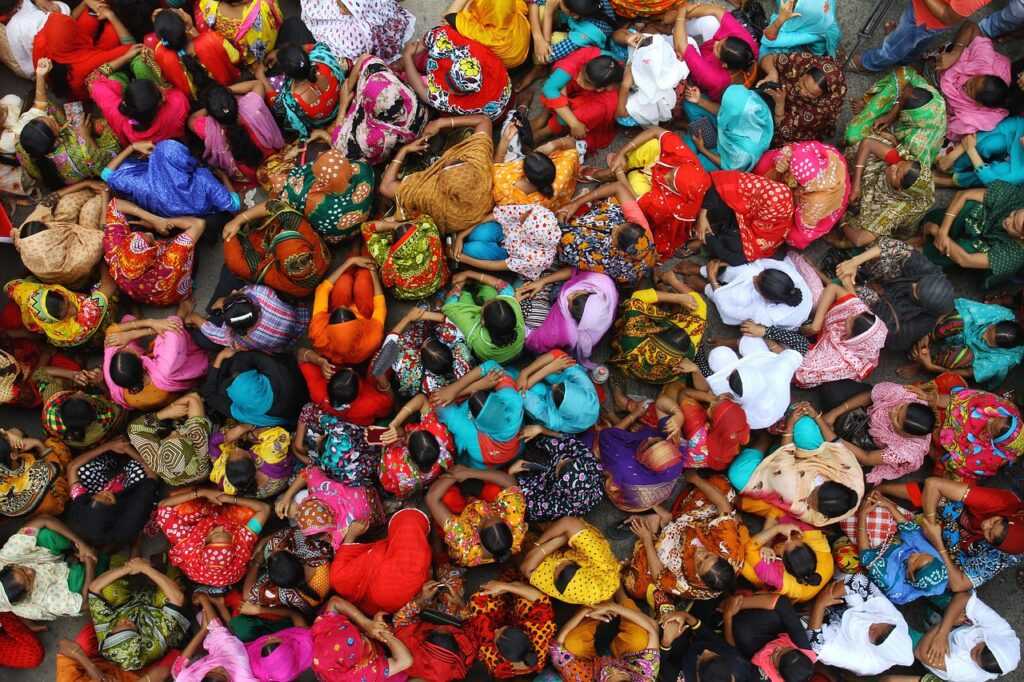
Pressure From the Streets to the Halls of Power
Big changes don’t usually start in government chambers they start outside them. Across continents, women led protests have lit the fuse for serious policy shifts, with movements growing not as top down campaigns but as street up demands. When crowds gather with clear purpose, lawmakers start listening or at least calculating.
Iran offers a stark example. After the death of Mahsa Amini in 2022, a wave of protests led largely by women refused to fizzle out. That resistance, fierce and sustained, has pushed open conversations on policing, morality laws, and women’s freedom under an authoritarian regime. It’s far from resolved, but the policy space has cracked, showing change under pressure.
In Poland, mass mobilization flipped the script on one of the most restrictive abortion laws in Europe. Demonstrators in 2020 turned city squares into megaphones, forcing lawmakers to reconsider extreme judicial rulings. While the legal tide hasn’t fully turned, public pressure pushed the issue from courtrooms into political campaigns and constitutional debates.
Latin America, meanwhile, has become an unexpected engine of feminist reform. The “Green Wave” protests across Argentina, Chile, and Mexico turned out tens of thousands in coordinated action. The result? Argentina legalized abortion in 2020. Chile wrote gender parity into its constitutional process. In Mexico, women’s marches have translated into reforms on domestic violence and reproductive rights across multiple states.
The pattern’s clear: when grassroots movements build sustained pressure, they move the dials of policy. These are not momentary flares they’re strategic surges that force the state to recalibrate. The street might not write the law, but lately, it drafts the first version.
Policy Shifts Triggered by Protest Movements
Vocal, massive, and persistent protests haven’t just sparked conversations they’ve moved the legislative needle. Governments in multiple countries are under growing pressure to not just listen, but act. In the wake of widespread demonstrations, especially those led by women and youth, we’ve seen a range of concrete policy changes aimed at expanding rights and protections.
Domestic violence laws have tightened in places like Mexico and South Korea, bolstered by rising public outrage over high profile cases and grassroots awareness campaigns. Workplace equity has also taken a front seat, with nations such as Spain and New Zealand enacting stronger transparency laws around pay gaps and parental leave. Reproductive rights remain one of the most hotly contested arenas yet activists in countries like Argentina and India have managed to push long stalled laws into action, broadening access and legal protection.
If you trace the timeline, the connection between protest movements and legal change is stark. Iran’s 2022 demonstrations, led by women resisting compulsory hijab laws, rippled far beyond their borders and inspired policy debates across Islamic majority nations. In Poland, mass protests against abortion restrictions in 2020 chilled the legal process to enforce harsher bans and invigorated new feminist coalitions. Latin America’s “green wave” of women’s marches has gradually unlocked abortion rights from Chile to Colombia.
Governments, facing blazing spotlights from international observers and digital platforms, are no longer able to enforce outdated laws in the shadows. Visibility is pressure. And pressure, when sustained, is policy waiting to happen.
Momentum Through Connected Movements

In today’s fight for women’s rights, solidarity doesn’t stop at the border. Movements in one country echo across continents, pulling in shared experiences, hashtags, and battle cries. It’s no coincidence when activists in Mexico and Poland chant the same slogans or when protest signs in Jakarta borrow design language from marches in Tehran. These are deliberate signals proof of a growing global alignment.
Digital tools are the glue. Livestreams from the field, subtitled testimonies, reposted footage they’ve all collapsed geographic boundaries. Platforms like Instagram, Telegram, and TikTok aren’t just broadcasting protest moments; they’re shaping them. Strategies honed in one region mass report campaigns, QR code placards, decentralized organizing are picked up and adapted elsewhere with near military efficiency.
What once stayed local now snowballs globally. One viral video can fuel policy conversations oceans away. The women in the streets are marching together, even if they’ve never met. And more often than not, those digital sparks are translating into pressure that lawmakers can’t ignore.
Explore more: global empowerment initiatives
Barriers, Backlash, and Resilience
For every policy gained, there’s often a reaction waiting in the wings. 2024 has seen more than a few governments push back tightening protest laws, rescinding protections, or pretending reforms never happened. From restrictive court rulings to surveillance of organizers, women’s rights movements are facing coordinated resistance across multiple fronts.
The response? Adapt, revise, and keep going. Advocates are shifting tactics choosing stealth over spectacle, filing lawsuits instead of petitions, or embedding change within other reform campaigns. The playbook is broader now: hybrid activism that mixes on the ground action with policy lobbying, storytelling, and international pressure.
Countering rollback isn’t about out shouting power it’s about outlasting it. Movements are investing in long term community infrastructure: legal aid networks, informal education hubs, and platforms that don’t vanish when the marches end. Sustaining momentum means knowing that one viral protest isn’t enough. It’s the quiet follow through the organizing, training, and local wins that holds the line over years, not just news cycles.
Long Term Impact on Global Policy
Women’s rights protests aren’t just shaking things up on the ground they’re rewriting the global script. Treaty level conversations at the UN and other international bodies have started to reflect demands that once lived only in the streets. Language around gender based violence, reproductive autonomy, and economic inclusion is being formally integrated into new global agreements. This is slow work, but it’s happening because pressure from below never let up.
Aid agencies and funders have taken notice too. International funding flows are being restructured to prioritize grassroots organizations, particularly those working in high risk and underserved regions. The old top down model is being challenged by a louder, clearer question: where is the money actually needed and who’s trusted to use it well?
Most importantly, protest power is shaping a new generation of global empowerment work. Young advocates today aren’t waiting for institutions they’re building networks, policy blueprints, and media narratives from the ground up. These are not one off movements. They’re pipelines for long term policy leadership.
See also: global empowerment initiatives
 Lois Jonesernaz is the kind of writer who genuinely cannot publish something without checking it twice. Maybe three times. They came to historical contributions by women through years of hands-on work rather than theory, which means the things they writes about — Historical Contributions by Women, Health and Wellness for Women, Women's Empowerment News, among other areas — are things they has actually tested, questioned, and revised opinions on more than once.
That shows in the work. Lois's pieces tend to go a level deeper than most. Not in a way that becomes unreadable, but in a way that makes you realize you'd been missing something important. They has a habit of finding the detail that everybody else glosses over and making it the center of the story — which sounds simple, but takes a rare combination of curiosity and patience to pull off consistently. The writing never feels rushed. It feels like someone who sat with the subject long enough to actually understand it.
Outside of specific topics, what Lois cares about most is whether the reader walks away with something useful. Not impressed. Not entertained. Useful. That's a harder bar to clear than it sounds, and they clears it more often than not — which is why readers tend to remember Lois's articles long after they've forgotten the headline.
Lois Jonesernaz is the kind of writer who genuinely cannot publish something without checking it twice. Maybe three times. They came to historical contributions by women through years of hands-on work rather than theory, which means the things they writes about — Historical Contributions by Women, Health and Wellness for Women, Women's Empowerment News, among other areas — are things they has actually tested, questioned, and revised opinions on more than once.
That shows in the work. Lois's pieces tend to go a level deeper than most. Not in a way that becomes unreadable, but in a way that makes you realize you'd been missing something important. They has a habit of finding the detail that everybody else glosses over and making it the center of the story — which sounds simple, but takes a rare combination of curiosity and patience to pull off consistently. The writing never feels rushed. It feels like someone who sat with the subject long enough to actually understand it.
Outside of specific topics, what Lois cares about most is whether the reader walks away with something useful. Not impressed. Not entertained. Useful. That's a harder bar to clear than it sounds, and they clears it more often than not — which is why readers tend to remember Lois's articles long after they've forgotten the headline.