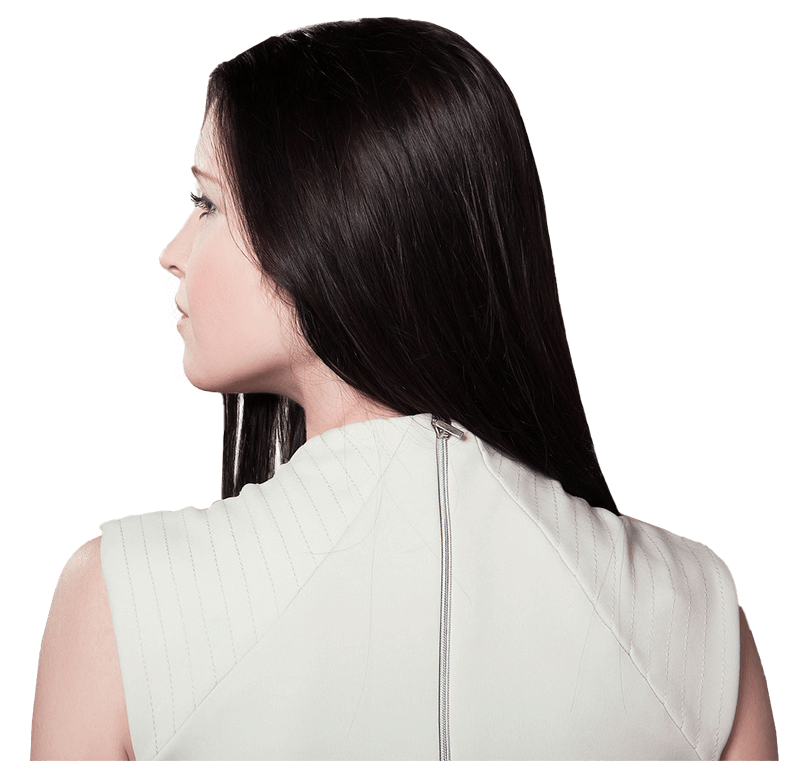

You’ve probably noticed it. That modern, textured hairstyle that’s all over the place. It’s got sharp lines but still looks relaxed.
The low taper fluffy fringe is a perfect example. It’s a clean, subtle fade on the sides with voluminous, textured hair on top styled forward. This article is your ultimate guide to this cut.
We’ll cover what it is, who it’s for, how to ask your barber for it, and how to style it at home. By the end, you’ll have the confidence and knowledge to get this exact haircut.
Breaking It Down: What Exactly Is a Low Taper Fluffy Fringe?
Let’s start with the low taper. Imagine your hair starting just above the ear and gradually getting shorter down to the hairline. It’s like a smooth, natural fade that doesn’t scream, “Look at me!”—unlike a high fade, which is more like a spotlight on your head.
Now, the fluffy part. This is all about the hair on top. It’s kept long enough to have volume and movement, giving it a light, airy appearance.
Think of it as the hair version of a cloud—soft, bouncy, and definitely not slicked down or stiff.
And then there’s the fringe. This is the hair styled forward over the forehead, but cut with layers and texture. It’s not a heavy, blunt look; instead, it’s more like a casual, tousled wave that says, “I woke up like this.”
Put it all together, and you get the low taper fluffy fringe. It’s a balanced and versatile hairstyle that’s neat around the edges but relaxed and stylish on top. Why is it so popular?
Simple. It blends a polished look with a casual vibe, making it perfect for both the boardroom and the bar.
Will This Haircut Work for You? A Quick Checklist
So, you’re thinking about getting a low taper fluffy fringe. Great choice, and but will it work for you?
First, let’s talk hair types. The ideal candidate has a slight wave and medium thickness. This helps achieve that ‘fluffy’ volume naturally.
- For straight hair, use a sea salt spray to add texture.
- If you have thick hair, ask your barber to remove some weight.
Next, face shapes. This style is excellent for oval, square, and heart-shaped faces. The fringe can soften a strong jawline or balance a wider forehead.
Now, consider your lifestyle. This haircut requires a 5-minute daily styling routine. It looks great when done right, making it perfect for someone who doesn’t mind a little effort.
Lastly, think about your personal style, and the low taper fluffy fringe is versatile. It works well with casual streetwear and more smart-casual office environments.
Take a moment to go through this checklist. It’ll help you decide if this haircut is the right fit for you.
How to Talk to Your Barber and Get the Exact Cut You Want
Getting the haircut you want can be a challenge. But with a few key tips, you can make sure you leave the barbershop looking exactly how you envisioned. find out more
Always bring multiple reference photos. Find clear pictures from different angles—front, side, back. This gives your barber a comprehensive view of what you’re aiming for.
Tell them, “I’d like a low taper on the sides and back, starting right above the ear.” Be specific about the details. It helps your barber understand the style you’re going for.
For the top, say, “Please keep the length on top, around 4-5 inches, and add a lot of texture for a fluffy, messy look.” This way, there’s no confusion about the length and the overall vibe.
When it comes to the fringe, be clear: “I want the fringe to fall just above my eyebrows and be point-cut or textured, not a straight, blunt line.” This ensures the front of your hair looks natural and styled to your preference.
Specify the tools you prefer. Ask, “Could you use scissors over comb for most of the work on top instead of just clippers to maintain a softer look?” This can make a big difference in the final result.
Avoid vague requests like “short on the sides, long on top.” These can be misinterpreted. Instead, give precise instructions and show your reference photos.
By following these steps, you’ll be able to communicate effectively with your barber and get the low taper fluffy fringe or any other style you desire.
Your 5-Minute Daily Styling Routine for a Perfect Fluffy Fringe
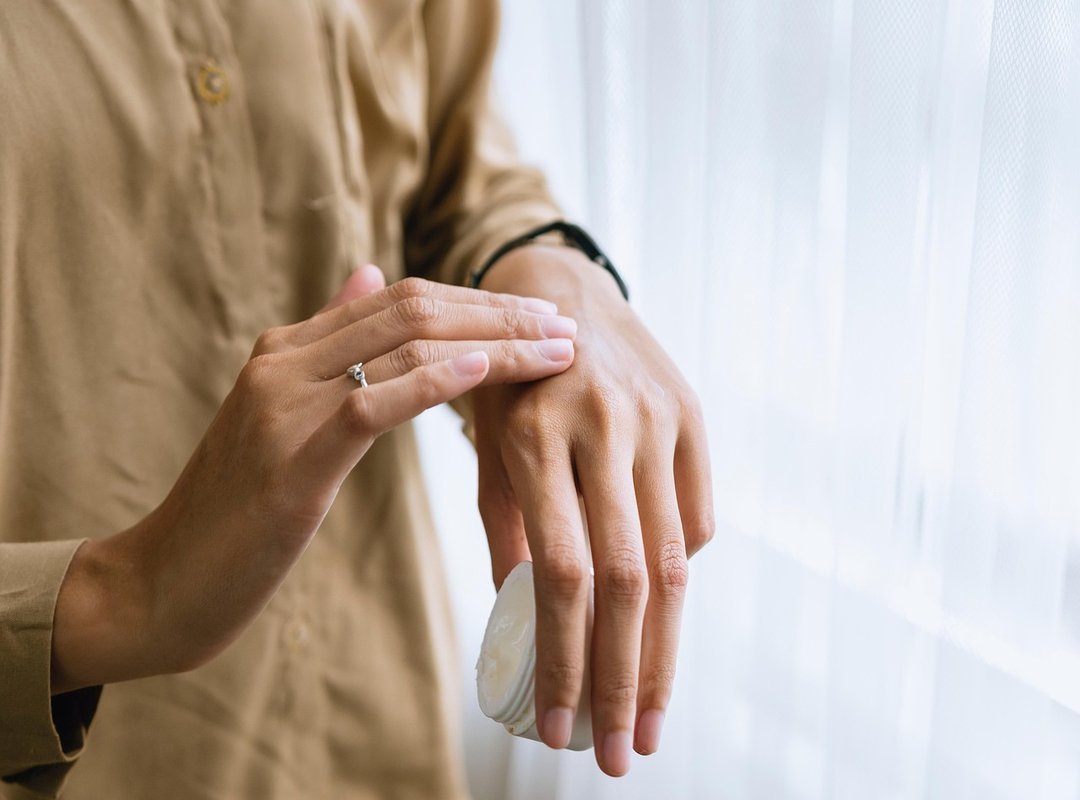
Start with towel-dried, slightly damp hair. Applying products to wet hair is key for control and volume.
Next, apply a pre-styling product. I recommend a sea salt spray or a volumizing mousse. Work it from the roots to the tips to build texture.
Use a blow dryer. Blow-dry your hair forward and up at the roots to create lift. Use your fingers to tousle the hair while drying for a natural finish.
Finish with a matte product. A styling clay, paste, or powder works well for a strong hold with no shine. Make sure to warm the product in your hands before applying.
In Birmingham, Alabama, where humidity can be a real challenge, this routine keeps your low taper fluffy fringe looking great all day.
Why the Low Taper Fringe is More Than Just a Trend
The low taper fluffy fringe is a stylish, versatile cut that blends clean lines with modern texture. Achieving the perfect look comes down to clear communication with a skilled barber and a simple but consistent styling routine.
You now have all the necessary information to confidently request and maintain this haircut. Save those reference photos, book an appointment, and get ready to transform your look.
 Krystal Berardizon has opinions about fashion and lifestyle trends. Informed ones, backed by real experience — but opinions nonetheless, and they doesn't try to disguise them as neutral observation. They thinks a lot of what gets written about Fashion and Lifestyle Trends, Women's Empowerment News, Health and Wellness for Women is either too cautious to be useful or too confident to be credible, and they's work tends to sit deliberately in the space between those two failure modes.
Reading Krystal's pieces, you get the sense of someone who has thought about this stuff seriously and arrived at actual conclusions — not just collected a range of perspectives and declined to pick one. That can be uncomfortable when they lands on something you disagree with. It's also why the writing is worth engaging with. Krystal isn't interested in telling people what they want to hear. They is interested in telling them what they actually thinks, with enough reasoning behind it that you can push back if you want to. That kind of intellectual honesty is rarer than it should be.
What Krystal is best at is the moment when a familiar topic reveals something unexpected — when the conventional wisdom turns out to be slightly off, or when a small shift in framing changes everything. They finds those moments consistently, which is why they's work tends to generate real discussion rather than just passive agreement.
Krystal Berardizon has opinions about fashion and lifestyle trends. Informed ones, backed by real experience — but opinions nonetheless, and they doesn't try to disguise them as neutral observation. They thinks a lot of what gets written about Fashion and Lifestyle Trends, Women's Empowerment News, Health and Wellness for Women is either too cautious to be useful or too confident to be credible, and they's work tends to sit deliberately in the space between those two failure modes.
Reading Krystal's pieces, you get the sense of someone who has thought about this stuff seriously and arrived at actual conclusions — not just collected a range of perspectives and declined to pick one. That can be uncomfortable when they lands on something you disagree with. It's also why the writing is worth engaging with. Krystal isn't interested in telling people what they want to hear. They is interested in telling them what they actually thinks, with enough reasoning behind it that you can push back if you want to. That kind of intellectual honesty is rarer than it should be.
What Krystal is best at is the moment when a familiar topic reveals something unexpected — when the conventional wisdom turns out to be slightly off, or when a small shift in framing changes everything. They finds those moments consistently, which is why they's work tends to generate real discussion rather than just passive agreement.