Social Media as a Catalyst
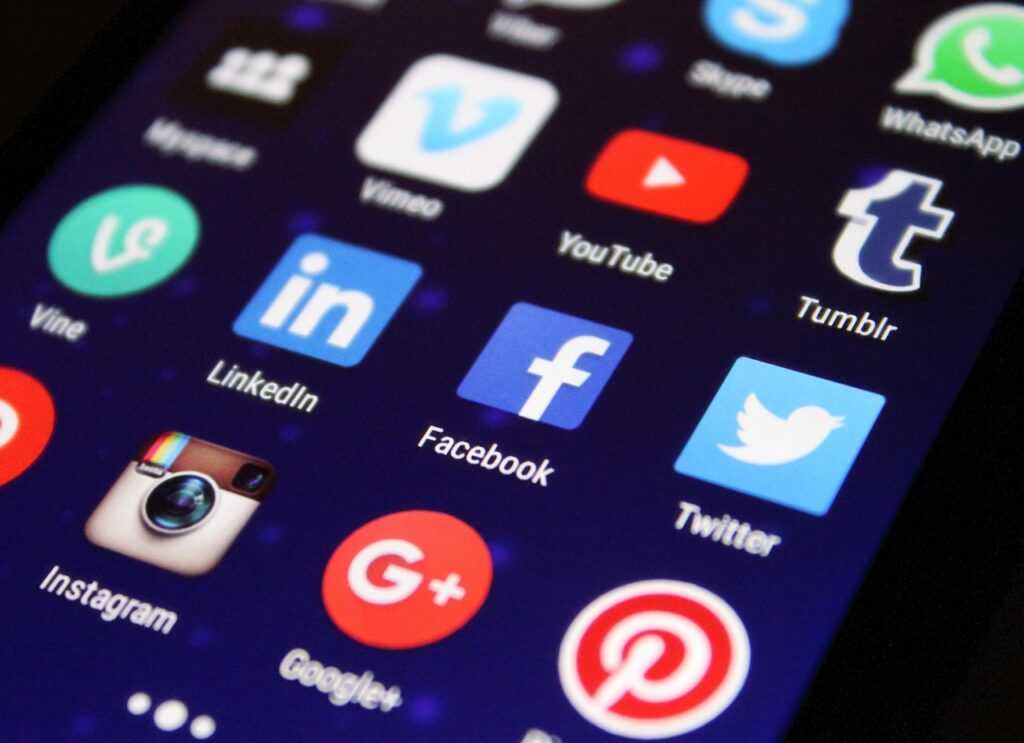
A decade ago, stories of workplace harassment or systemic inequality rarely made it past corporate PR teams or back page newspaper columns. But digital platforms changed that fast. Social media has become a megaphone for women around the world, pushing voices once sidelined into the global spotlight. From individual posts to continent spanning campaigns, connection and amplification now happen at scale.
Hashtags became lightning rods. #MeToo took a personal revelation and turned it into a worldwide reckoning. #GirlBoss rebranded ambition with a dose of unapologetic self promotion. #SheMeansBusiness pushed women into entrepreneurial conversations often dominated by men. Each started in personal spaces posts, profiles, comment sections and snowballed into cultural landmarks.
This kind of activism is raw and immediate. Traditional media moves slowly and filters heavily. In contrast, social platforms let people bypass gatekeepers and speak on their terms, in real time. No waiting for newsroom approval. No editing by someone disconnected from the story. That’s a shift in power and it isn’t going away.
The Power of Storytelling
Personal stories have become the heartbeat of women’s empowerment movements online. Raw, unpolished, and deeply human, these narratives cut through algorithm fed noise and spark real connection. Whether it’s a thread, a vlog, or a stitched TikTok, when someone shares their truth abuse survived, ceilings broken, resilience earned it creates ripple effects. Not because the story is perfect, but because it’s honest.
Campaigns like #MeToo didn’t go viral on production value they spread because thousands of women raised their hands and said, “Me too.” The collective swell made silence untenable and pulled long ignored conversations into the public square. Others followed suit: #SayHerName, #IWeigh, #NormalizeBreastfeeding movements born from specificity that grew into symbols of shared experience.
More creators are also leaning into intersectionality lifting voices of women of color, LGBTQ+ identities, and marginalized communities that are often overlooked. It’s a shift from performative parity to a fuller, messier, more accurate picture of what empowerment looks like across contexts. And audiences are responding. Views follow truth. Engagement follows trust. Representation that feels lived in not just labeled makes room for actual change.
Grassroots Impact, Global Reach
The real engine behind social change isn’t always big NGOs or policy wins. Lately, it’s individual women in local communities doing the daily work organizing, building, solving. What’s changed in the last few years is visibility. Social media is shrinking the distance between these community rooted efforts and audiences around the globe. A recycled fashion collective in Nairobi? Two clicks away from a viewer in Berlin. A women run co op in Bogotá? Now with an Instagram following and a product line selling worldwide.
Influencers and micro activists are acting as signal boosters. Rather than centering themselves, many are using their platforms to spotlight community level work that may not have the reach it deserves. This shift from ego driven content to cause driven amplification is subtle but important.
The power of this intersection local grit and global reach is hard to ignore. Stories like those shared through empowered local communities show that transformation doesn’t always need a million likes. It just needs the right eyes, the right time, and a platform that listens.
Challenges and Critiques
For all the progress fueled by social media, women’s empowerment movements aren’t operating on a level playing field. The algorithms that surface content what gets seen, what gets buried often carry unseen bias. Posts from marginalized voices, especially Black, Indigenous, and trans women, can be deprioritized or shadowbanned without explanation. The result? Some of the most powerful, ground level narratives struggle to get traction.
Then there’s the issue of safety. Online harassment remains vicious and relentless. Women speaking out especially on gender norms, politics, or systemic inequality often face threats, doxxing, or trolling as the cost of visibility. Platforms talk a big game about safety features but continue to lag behind on meaningful protection.
On top of that, there’s a reckoning happening around performative activism. Sharing posts, changing avatars, tagging a hashtag it’s easy. But visibility without follow through isn’t impact. More users are starting to call out influencers and brands who treat activism like a marketing campaign, expecting likes instead of accountability. Sustained action looks different: donating, organizing, amplifying others, and returning to the work long after the trend dies down.
Where It’s Headed
Digital Shifts: New Platforms, New Power
The landscape of women’s empowerment on social media is evolving rapidly. As traditional platforms mature, newer, faster moving spaces are creating fresh opportunities and challenges for feminist digital activism.
TikTok feminism is reshaping how younger audiences understand and engage with gender issues. Bite sized videos, direct talk formats, and viral storytelling are amplifying unheard voices faster than ever.
Digital organizing spaces such as group chats, private forums, and decentralized networks are offering safer, more community first environments for activism to grow with intention.
These platforms reduce gatekeeping, allowing women of all backgrounds especially Gen Z and marginalized groups to shape the narrative.
When Brands Join the Conversation
Many brands have started aligning themselves with women led movements, often spotlighting empowerment focused marketing messages and inclusive campaigns. But there’s an increasing demand for transparency and authenticity.
Audiences are skeptical of performative partnerships that prioritize sales over impact.
Consumers are asking: Is the brand investing in women’s voices beyond advertising?
Genuine alignment looks like long term partnerships, investment in women run initiatives, and representation both in front of and behind the camera.
Staying Rooted: The Power of Local
Even as global conversations dominate feeds, some of the most sustainable empowerment work is happening at the local level. Empowered communities are not trending topics they’re creating lasting change over time.
Social platforms are now helping to amplify small scale but impactful work being done by women around the world.
These local leaders are combining offline organizing with online reach, proving that global influence doesn’t have to come from major cities or mainstream voices.
Learn more in our spotlight on empowered local communities, and how their stories are inspiring a new era of digital activism.
The next phase of empowerment won’t be dictated by algorithms or trends alone it will be driven by authenticity, community connection, and strategic storytelling across every level of digital space.
 Ask Tavessa Zyphandra how they got into health and wellness for women and you'll probably get a longer answer than you expected. The short version: Tavessa started doing it, got genuinely hooked, and at some point realized they had accumulated enough hard-won knowledge that it would be a waste not to share it. So they started writing.
What makes Tavessa worth reading is that they skips the obvious stuff. Nobody needs another surface-level take on Health and Wellness for Women, Historical Contributions by Women, Fashion and Lifestyle Trends. What readers actually want is the nuance — the part that only becomes clear after you've made a few mistakes and figured out why. That's the territory Tavessa operates in. The writing is direct, occasionally blunt, and always built around what's actually true rather than what sounds good in an article. They has little patience for filler, which means they's pieces tend to be denser with real information than the average post on the same subject.
Tavessa doesn't write to impress anyone. They writes because they has things to say that they genuinely thinks people should hear. That motivation — basic as it sounds — produces something noticeably different from content written for clicks or word count. Readers pick up on it. The comments on Tavessa's work tend to reflect that.
Ask Tavessa Zyphandra how they got into health and wellness for women and you'll probably get a longer answer than you expected. The short version: Tavessa started doing it, got genuinely hooked, and at some point realized they had accumulated enough hard-won knowledge that it would be a waste not to share it. So they started writing.
What makes Tavessa worth reading is that they skips the obvious stuff. Nobody needs another surface-level take on Health and Wellness for Women, Historical Contributions by Women, Fashion and Lifestyle Trends. What readers actually want is the nuance — the part that only becomes clear after you've made a few mistakes and figured out why. That's the territory Tavessa operates in. The writing is direct, occasionally blunt, and always built around what's actually true rather than what sounds good in an article. They has little patience for filler, which means they's pieces tend to be denser with real information than the average post on the same subject.
Tavessa doesn't write to impress anyone. They writes because they has things to say that they genuinely thinks people should hear. That motivation — basic as it sounds — produces something noticeably different from content written for clicks or word count. Readers pick up on it. The comments on Tavessa's work tend to reflect that.