
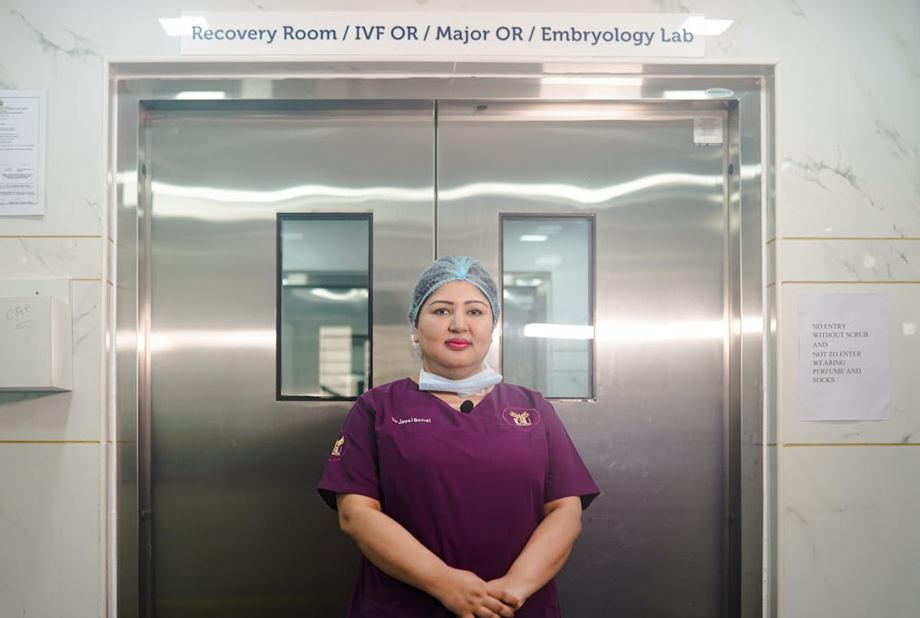
Women make up the large majority of medspa owners and practitioners in the United States. Nurse practitioners, registered nurses, and physician assistants, most of them women, are opening clinics at a steady pace. They bring clinical skill, patient empathy, and real business drive to the work. That combination is reshaping how aesthetic healthcare gets delivered.
Running a medspa is not just a clinical role. It is a full business operation that requires licensing, compliance, and proper medical structure. One of the first decisions a new owner makes is securing a qualified medical director for medspa clinics. That step is required by most states and sets the foundation for everything that follows.
Why Women Are Entering This Space in Large Numbers
The medspa industry suits many of the strengths women bring to healthcare. Patient communication, attention to treatment detail, and a focus on long-term outcomes are all central to how medspas operate. Women who have worked in hospitals, primary care, or outpatient settings often find the transition to clinic ownership a natural next step.
The business model also offers flexibility. A well-run medspa can be operated with a small team. Start-up costs are lower than opening a traditional medical practice. Services like injectables, laser treatments, and skincare consultations can generate consistent revenue with manageable overhead.
Women-owned businesses in healthcare have grown steadily over the past two decades. That growth reflects both ambition and access. More training programs, mentorship networks, and financing options are available now than ever before. Women in clinical roles are using those resources to build practices they own and control.
The Compliance Requirements Every Clinic Owner Must Know
Medspas fall under state medical board oversight in most states. That means clinic owners must meet the same licensing and supervision requirements as other medical facilities. The rules vary by state, but the core requirements follow a consistent pattern.
A licensed physician must provide oversight for treatments that involve prescription products or invasive procedures. This includes Botox, dermal fillers, certain laser treatments, and prescription skincare. The physician does not need to be present for every appointment. They do need to be properly documented, actively involved in protocol review, and reachable when clinical questions come up.
Here is what a standard compliance structure for a medspa typically includes:
- A signed collaborative practice agreement with a state-licensed physician
- Written clinical protocols reviewed and approved by the medical director
- Patient intake forms and screening criteria approved by the supervising physician
- Regular chart reviews conducted on a schedule that meets state requirements
- A documented process for handling adverse events or patient complaints
Each of these items requires active maintenance. Compliance is not a box you check once. It needs regular review as the clinic grows and adds new services.
What Nurse-Owned Clinics Do Differently
Nurse-owned medspas often operate with a strong focus on patient education. Nurses are trained to explain procedures, set realistic expectations, and follow up on outcomes. That background shapes how these clinics communicate with patients from the first consultation onward.
Many nurse-owned clinics also build tighter internal protocols than the state minimum requires. They document more thoroughly, train staff more consistently, and review outcomes more regularly. That approach reduces errors and builds the kind of patient trust that drives referrals over time.
The nurse-as-owner model also changes the team culture. Staff tend to feel more supported when the person running the clinic understands the clinical work from the inside. That shared background makes training more effective and feedback easier to give and receive.
According to the American Association of Nurse Practitioners, nurse practitioners are increasingly moving into ownership and leadership roles across outpatient healthcare settings. That shift is creating a new generation of clinicians who are also business operators.
Building a Practice That Lasts
Opening a medspa is one thing. Keeping it running well for years is another. The clinics that stay open and grow tend to share a few common traits. They hire carefully, document consistently, and revisit their protocols on a regular schedule.
They also invest in the physician relationship. A medical director who is genuinely engaged in the clinic’s operations adds real value beyond regulatory compliance. They help the team stay current on best practices, provide guidance on complex patient cases, and add clinical authority to the clinic’s reputation.
Women who build their medspas with these systems in place tend to face fewer surprises down the line. They know what their compliance structure looks like. They can answer questions from inspectors, insurers, or prospective staff without scrambling. That operational clarity is a form of professional strength.
Representation in Healthcare Leadership
Women have always played a central role in healthcare delivery. What has changed in recent years is their growing presence on the ownership side. Running a clinic is a leadership position. It requires clinical knowledge, business judgment, and the confidence to make decisions that affect a team and a patient population.
The medspa space has become one of the more accessible entry points for women who want to own their practice. The barriers are lower than in hospital-based or surgical settings. The patient demand is strong. And the work itself connects directly to how women think about health, appearance, and self-care.
That connection is worth taking seriously. Women who build well-run, compliant, patient-centered medspas are not just building businesses. They are setting a standard for what ethical aesthetic healthcare looks like. The more women lead in this space, the stronger that standard becomes. Invest in the right structure from the start, and the practice you build will reflect both your clinical values and your professional ambition.
 Krystal Berardizon has opinions about fashion and lifestyle trends. Informed ones, backed by real experience — but opinions nonetheless, and they doesn't try to disguise them as neutral observation. They thinks a lot of what gets written about Fashion and Lifestyle Trends, Women's Empowerment News, Health and Wellness for Women is either too cautious to be useful or too confident to be credible, and they's work tends to sit deliberately in the space between those two failure modes.
Reading Krystal's pieces, you get the sense of someone who has thought about this stuff seriously and arrived at actual conclusions — not just collected a range of perspectives and declined to pick one. That can be uncomfortable when they lands on something you disagree with. It's also why the writing is worth engaging with. Krystal isn't interested in telling people what they want to hear. They is interested in telling them what they actually thinks, with enough reasoning behind it that you can push back if you want to. That kind of intellectual honesty is rarer than it should be.
What Krystal is best at is the moment when a familiar topic reveals something unexpected — when the conventional wisdom turns out to be slightly off, or when a small shift in framing changes everything. They finds those moments consistently, which is why they's work tends to generate real discussion rather than just passive agreement.
Krystal Berardizon has opinions about fashion and lifestyle trends. Informed ones, backed by real experience — but opinions nonetheless, and they doesn't try to disguise them as neutral observation. They thinks a lot of what gets written about Fashion and Lifestyle Trends, Women's Empowerment News, Health and Wellness for Women is either too cautious to be useful or too confident to be credible, and they's work tends to sit deliberately in the space between those two failure modes.
Reading Krystal's pieces, you get the sense of someone who has thought about this stuff seriously and arrived at actual conclusions — not just collected a range of perspectives and declined to pick one. That can be uncomfortable when they lands on something you disagree with. It's also why the writing is worth engaging with. Krystal isn't interested in telling people what they want to hear. They is interested in telling them what they actually thinks, with enough reasoning behind it that you can push back if you want to. That kind of intellectual honesty is rarer than it should be.
What Krystal is best at is the moment when a familiar topic reveals something unexpected — when the conventional wisdom turns out to be slightly off, or when a small shift in framing changes everything. They finds those moments consistently, which is why they's work tends to generate real discussion rather than just passive agreement.